In a world where sales teams are no longer confined to office cubicles but are spread across continents, the magic of CRM software becomes a beacon of hope and efficiency. Imagine orchestrating a symphony without being in the same room—this is the power of CRM for remote sales teams. The core functionalities of this software are tailored to bridge distances, streamline operations, and empower teams to reach unprecedented heights.
As remote sales teams grapple with the challenges of time zones, cultural nuances, and digital communication, CRM software emerges as a game-changer, offering a digital arsenal that tackles these hurdles head-on. It’s more than just a tool; it’s a strategic ally that transforms how teams engage, track, and succeed in their sales endeavors. Join us as we delve into the nuances of CRM software designed to revolutionize remote sales operations.
Understanding CRM Software for Remote Sales Teams

In the rapidly evolving landscape of remote work, CRM software has emerged as an indispensable tool for remote sales teams. It bridges the gap between scattered teams and their goals, ensuring seamless communication and efficiency.
CRM software designed for remote sales teams provides a centralized platform to manage client interactions, streamline workflows, and analyze sales data. This technology empowers sales representatives by offering real-time access to customer information, collaboration tools, and performance metrics, all in one place.
Core Functionalities of CRM Software for Remote Sales Teams
CRM solutions for remote sales teams are packed with essential features that cater to the unique needs of virtual work environments. They include:
- Contact Management: A centralized database to maintain comprehensive records of all customer interactions.
- Sales Automation: Automation of repetitive tasks such as follow-ups and data entry to enhance productivity.
- Analytics and Reporting: Tools to track sales performance and generate insightful reports.
- Collaboration Features: Integration with communication platforms to facilitate team collaboration.
Benefits of CRM Tools in a Remote Sales Environment
Leveraging CRM software in remote sales operations unlocks numerous advantages:
- Improved Efficiency: Automation of routine tasks allows sales reps to focus on closing deals.
- Enhanced Customer Relationships: Personalized engagement strategies based on data insights strengthen client connections.
- Data-Driven Decisions: Sales strategies can be refined based on real-time data analysis and reporting.
- Seamless Collaboration: Teams, regardless of location, can work together effortlessly with integrated communication tools.
Challenges Faced by Remote Sales Teams Without CRM Software
Without CRM software, remote sales teams often encounter significant obstacles:
- Lack of centralized data leading to inefficient communication
- Difficulties in tracking client interactions and sales progress
- Inconsistent customer experiences due to fragmented data
- Challenges in measuring team performance effectively
Evolution of CRM Software in Supporting Remote Work
The transformation of CRM software over the years has been profound, particularly in its adaptation to remote work needs. Initially designed for on-premises usage, CRM systems have evolved into dynamic, cloud-based platforms that support remote accessibility and flexibility.
Today’s CRM solutions are not just about managing customer relationships; they’re about empowering remote sales teams to thrive in a digital-first world.
With continuous advancements in AI and machine learning, CRM software now offers predictive analytics, virtual assistants, and deeper integration capabilities, enhancing the ability of remote sales teams to engage with customers and drive sales.
Features of Effective CRM Software
In the dynamic world of remote sales, having the right CRM software is crucial. It not only streamlines operations but also empowers teams to stay connected and productive regardless of location.
To meet the demands of remote sales teams, effective CRM software must possess certain features that optimize workflow and enhance communication. These features ensure that teams can collaborate seamlessly and maintain a competitive edge in the market.
Must-Have Features for Remote Sales Teams
For remote sales teams, flexibility and accessibility are paramount. A robust CRM should offer:
- Cloud-Based Access: Allowing team members to connect from anywhere.
- Mobile Compatibility: Ensuring sales reps can update and access information on the go.
- Real-Time Analytics: Providing instant insights into sales performance and customer interactions.
- Customizable Dashboards: Tailoring views to meet individual team needs.
- Secure Data Storage: Safeguarding sensitive customer information.
Comparing CRM Software for Remote Sales
Choosing the right CRM software can be overwhelming with so many options available. Here’s a comparison of some top contenders, specifically through the lens of their suitability for remote sales operations:
| Software Name | Key Features | Pricing | User Rating |
|---|---|---|---|
| Salesforce | Cloud-based, AI integration, Customizable dashboards | Starts at $25/user/month | 4.5/5 |
| HubSpot CRM | Free version available, Marketing tools, Email tracking | Free to $50/user/month | 4.3/5 |
| Zoho CRM | AI-powered assistant, Multi-channel communication, Mobile app | Starts at $12/user/month | 4.0/5 |
| Pipedrive | Sales pipeline management, Goal setting, Reporting tools | Starts at $15/user/month | 4.2/5 |
The Power of Automation in CRM
Automation tools within CRMs are game-changers for remote sales operations. They reduce manual tasks and allow teams to focus more on selling and less on administration.
Automated lead scoring prioritizes prospects most likely to convert, while workflow automation streamlines repetitive tasks such as data entry and follow-up emails. These features save time and increase efficiency, allowing sales teams to operate more effectively.
Communication Tools Integration in CRM
Integration with communication tools is essential for remote teams to stay connected. Here’s a list of integrations that can greatly enhance a CRM’s functionality:
- Email Integrations: Gmail, Outlook
- Video Conferencing: Zoom, Microsoft Teams
- Instant Messaging: Slack, Microsoft Teams
- Telephony: RingCentral, Twilio
Integrating these tools ensures seamless interaction, making remote collaboration as effective as in-person.
Implementation of CRM Software for Remote Teams

Embarking on the journey of implementing CRM software for remote sales teams is a pivotal move towards enhancing productivity and efficiency. Let’s unravel the steps to ensure a seamless transition.
Implementing CRM software is not just about technology integration; it’s about transforming the way your team operates and collaborates. This process can redefine how your sales team connects with clients and manages relationships.
Step-by-Step Procedure for CRM Implementation
To achieve a successful CRM implementation, follow these strategic steps:
- Identify business goals and align them with CRM capabilities.
- Choose the right CRM software that suits your team’s specific needs.
- Configure the CRM settings to match your business processes.
- Migrate data meticulously to ensure data integrity.
- Launch a pilot program to test and gather feedback.
- Roll out the CRM system across the entire team, providing necessary support.
Best Practices for Training Remote Sales Teams
Effective training is critical for empowering your sales team to harness the full potential of CRM tools:
- Conduct interactive webinars and workshops.
- Provide access to a knowledge base with tutorials and FAQs.
- Encourage self-paced learning with online courses.
- Implement a mentorship program pairing experienced users with new adopters.
Timeline for CRM Software Deployment
Timing is everything, especially when deploying a CRM system remotely. Here’s a suggested timeline to keep your implementation on track:
| Week | Action |
|---|---|
| 1-2 | Goal setting and CRM selection |
| 3-4 | Configuration and initial setup |
| 5-6 | Data migration and pilot testing |
| 7-8 | Full deployment and team training |
Potential Pitfalls and How to Avoid Them
Implementing CRM software remotely can present unique challenges. Being aware of potential pitfalls and taking preemptive measures can ensure success:
“The biggest pitfall is underestimating the importance of user training.”
- Ensure adequate training to avoid low adoption rates.
- Maintain clear and open communication to prevent misalignment.
- Monitor progress and adapt the process based on feedback.
- Avoid data overload by cleaning data before migration.
Case Studies of Successful CRM Integration
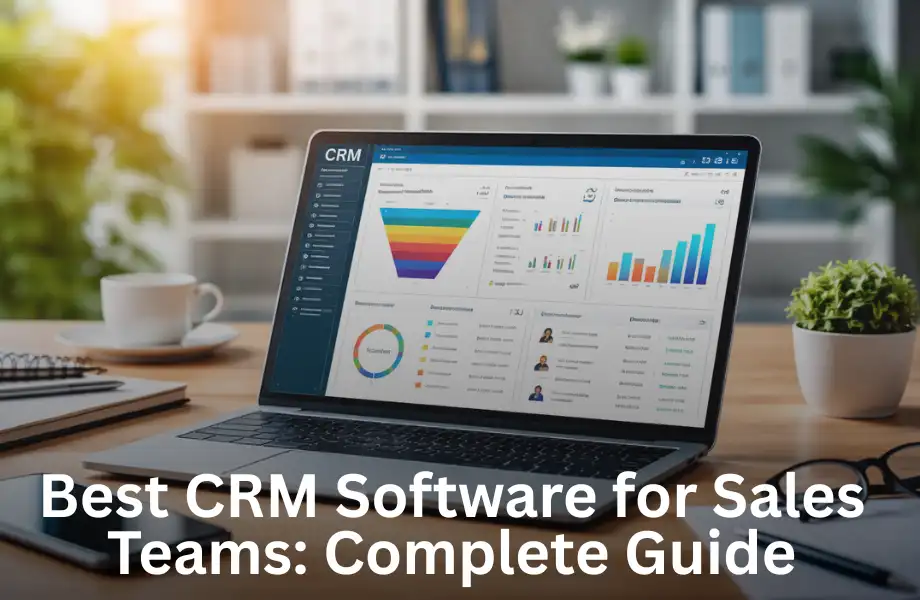
Discover how leading companies have transformed their remote sales operations through strategic CRM integration. These case studies will equip you with insights into overcoming common remote sales challenges and achieving outstanding results.
By examining these real-world examples, you’ll understand the pivotal role CRM software plays in revolutionizing sales processes, enhancing communication, and ultimately achieving—and even surpassing—sales targets.
Transforming Sales Operations at TechCorp
TechCorp, a global leader in software solutions, faced significant hurdles as their sales teams transitioned to remote work. They needed a robust CRM system to streamline communication and ensure consistent customer engagement. By implementing a cloud-based CRM platform, they overcame geographical barriers and aligned their sales strategies more effectively. This transformation not only boosted team collaboration but also improved their sales forecasting accuracy.
Key Lesson: Effective CRM integration can eliminate operational silos and enhance sales team synchronization.
Scaling with Precision: The FinServe Experience
FinServe, a financial services company, struggled with tracking client interactions and managing customer data during their expansion. They adopted a CRM solution tailored to their unique needs, allowing them to automate follow-ups and personalize client communications. As a result, FinServe achieved a remarkable 30% increase in client retention rates.
Key Lesson: Customizing CRM tools to fit specific business requirements is crucial for scaling successfully.
Empowering Sales Teams at GreenEnergy Co.
When GreenEnergy Co. transitioned to remote work, they faced issues with sales team productivity and data management. By leveraging an integrated CRM system, they were able to track sales activities in real-time and provide their teams with actionable insights. This led to a 25% boost in sales performance within the first quarter of implementation.
Key Lesson: Real-time data access via CRM systems empowers sales teams to make informed decisions swiftly.
Future Trends in CRM Software for Remote Sales

The digital landscape for remote sales teams is constantly evolving, leading to significant transformations in CRM software. As businesses strive to stay ahead of the curve, the need for more sophisticated and responsive CRM solutions becomes evident.
Emerging trends in CRM technology are poised to revolutionize how remote sales teams operate, offering them unprecedented tools for efficiency and collaboration. By leveraging cutting-edge technologies, CRM software aims to redefine the sales experience and drive success in a competitive market.
The Role of Artificial Intelligence and Machine Learning
Artificial Intelligence (AI) and Machine Learning (ML) are not just buzzwords; they are at the core of modern CRM advancements. These technologies enable CRM systems to process vast amounts of data, offering predictive insights and personalized recommendations. With AI-powered analytics, remote sales teams can anticipate customer needs, personalize interactions, and ultimately close deals more efficiently.
Moreover, automated chatbots and virtual assistants are becoming integral CRM components. They handle routine queries, freeing up valuable time for sales reps to focus on building meaningful customer relationships. As AI and ML continue to evolve, their integration into CRM platforms will become even more seamless, providing remote teams with a strategic edge.
CRM Evolution to Meet 2030 Needs
By 2030, CRM software is expected to undergo a significant transformation, aligning with the dynamic demands of remote sales teams. The future of CRM will be characterized by increased flexibility, scalability, and connectivity, catering to diverse business needs and models.
Future CRM systems will likely incorporate advanced collaboration tools, enabling sales teams to work together in real-time, regardless of geographic location. This evolution will foster a more cohesive and productive sales environment, driving enhanced performance and customer satisfaction.
Innovative Features in Future CRM Releases
Innovation will be at the heart of future CRM releases, introducing features that were once thought to be science fiction. Expect to see the rise of augmented reality (AR) and virtual reality (VR) within CRM platforms, providing immersive experiences that engage customers in new and exciting ways.
Additionally, the integration of Internet of Things (IoT) devices will enable CRMs to gather and analyze data from a myriad of sources, offering deeper insights into customer behaviors and preferences. This technological synergy will empower remote sales teams to craft more targeted strategies and drive greater business success.
Customization and Scalability of CRM Software
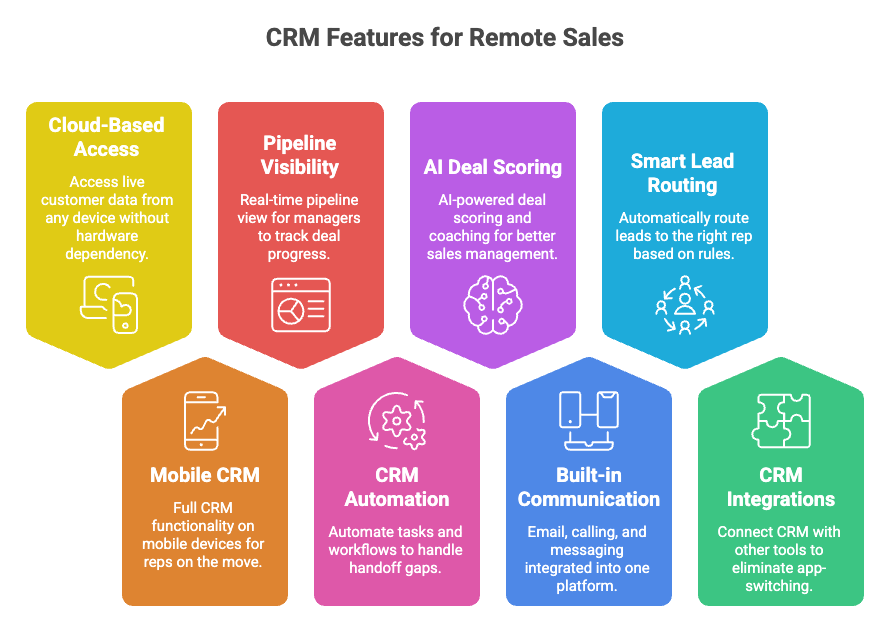
In the fast-paced world of remote sales, the ability to customize and scale CRM software can be the difference between success and stagnation. CRM solutions must evolve alongside a business, adapting to its unique challenges and opportunities.
As companies expand, their CRM needs invariably change. Customization allows these systems to meet specific requirements of remote sales teams, while scalability ensures they can handle increased demands. Let’s delve into how CRM systems can be tailored and grown to fit diverse business landscapes.
Methods for Customizing CRM Tools
Remote sales teams have unique workflows and challenges, and customizing CRM software to reflect these nuances is crucial. Here are some tailored methods:
- Integrating industry-specific modules that align with team objectives.
- Employing custom dashboards that provide real-time insights specific to remote sales activities.
- Utilizing APIs for seamless connectivity with existing tools and platforms.
Customization empowers teams to streamline their processes, making the CRM a true extension of their sales strategy.
Scalability of CRM Software for Growing Businesses
As businesses grow, their systems need to grow with them. Scalability in CRM software ensures that the systems can accommodate increasing data volumes and user counts without compromising performance. Here are ways CRM systems ensure seamless scalability:
- Cloud-based infrastructure for elastic expansion.
- Modular architecture to add new features as needed.
- Data management capabilities that handle large datasets efficiently.
Scalability is not just about technology; it’s about strategic foresight. Businesses must choose CRM solutions that align with their growth trajectories.
Adaptability of CRM Software Across Industries
Different industries have varying requirements from their CRM systems. Understanding CRMs’ adaptability across these industries is crucial for informed decision-making. Here is a comparison:
| Industry | CRM Adaptability | Customization Options | Scalability |
|---|---|---|---|
| Healthcare | High | Patient management modules | Robust data handling |
| Real Estate | Moderate | Property tracking features | Moderate growth capacity |
| Retail | Very High | Inventory management integration | High |
The right CRM should not only align with industry requirements but also offer flexibility for future adjustments.
Strategies for Maintaining CRM Efficiency
When businesses expand, maintaining CRM efficiency becomes paramount. Here are strategies to ensure your CRM remains effective:
- Regularly updating CRM systems to the latest versions for performance enhancements.
- Training staff continuously to utilize new CRM features and capabilities.
- Conducting periodic audits to identify and address inefficiencies promptly.
“Efficiency is doing better what is already being done.” – Peter Drucker
By focusing on these strategies, businesses can ensure their CRM systems remain agile and robust, supporting growth rather than hindering it.
Conclusion
The journey through the landscape of CRM software for remote sales teams is a testament to the ingenuity of technology bridging gaps and creating seamless connections. As organizations strive for agility and growth, embracing the right CRM tools becomes imperative. The future is bright, with CRM software poised to evolve, integrating cutting-edge features like AI and machine learning to further enhance remote sales effectiveness. Let us venture forth, equipped with insights and innovations, ready to harness the full potential of CRM software. Embrace the future of sales, where distance is just a number and success knows no boundaries.