Imagine a world where your business operations are as fluid and adaptable as the clouds themselves. Cloud-based CRM software is not just a technological marvel; it’s a revolutionary approach to managing customer relationships that can propel your business to new heights. Whether you’re a startup or a seasoned enterprise, embracing this digital evolution is your ticket to enhanced customer engagement, streamlined operations, and unparalleled growth.
In a dynamic market landscape, cloud-based CRM software offers the agility and innovation that traditional systems lack. This game-changer empowers industries from healthcare to retail, transforming how they interact with customers, improve service delivery, and capture market insights. Join the ranks of forward-thinking enterprises and unlock the full potential of your business with cloud-based CRM solutions.
Introduction to Cloud-Based CRM Software

Welcome to the future of customer relationship management! Cloud-based CRM software is transforming the way businesses connect with their clients, offering unparalleled flexibility and access.
Cloud-based CRM software leverages the power of the internet to store and manage customer information, enabling businesses to access their CRM systems from anywhere in the world. Unlike traditional CRM systems that require local storage, cloud-based solutions offer scalability, cost-efficiency, and ease of use, thereby revolutionizing how companies engage with their customers.
Industries Transforming with Cloud-Based CRM
Many industries are experiencing the benefits of transitioning to cloud-based CRM systems. Retail businesses are using these solutions to personalize customer experiences, track sales, and manage inventory more effectively. The healthcare sector is another field making strides, utilizing CRM to enhance patient engagement and streamline appointment scheduling. Additionally, the financial services industry is benefiting by improving customer service and compliance tracking.
The Evolution of CRM: From Traditional to Cloud-Based Systems
The journey of CRM systems began with on-premise solutions, which were cumbersome and limited by hardware constraints. As technology evolved, the shift towards cloud-based systems marked a significant milestone. This transition has been characterized by increased accessibility, reduced IT costs, and improved integration capabilities. Companies no longer need extensive IT infrastructure, allowing them to focus on what truly matters: building lasting customer relationships.
“The move to cloud-based CRM is not just a trend; it’s a paradigm shift driving business growth and innovation.”
Cost-Efficiency and Scalability
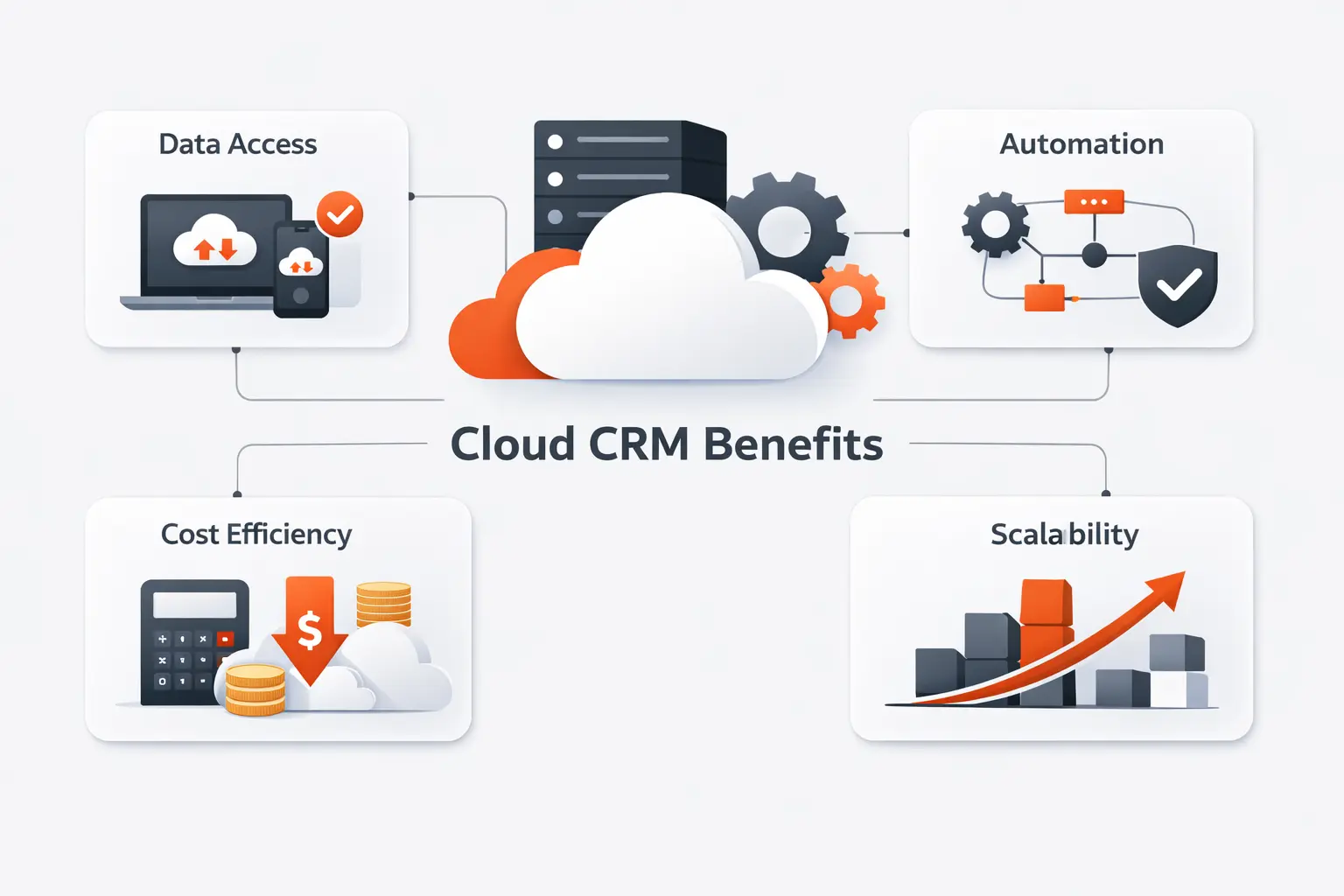
In the fast-paced world of business, efficiency and adaptability are key to staying ahead. Cloud-based CRM systems offer a sweet spot where cost-effectiveness meets dynamic scalability, paving the way for seamless business growth.
Embracing a cloud-based CRM solution can significantly reduce operational costs. There’s no need for expensive hardware or extensive IT infrastructure. Instead, businesses pay a subscription fee tailored to their needs, ensuring optimal budget management.
Unleashing the Power of Cost Savings
Cloud-based CRM systems streamline financial outlays by eliminating upfront capital expenses. Businesses can harness features like automatic updates and maintenance without additional fees, allowing them to reinvest savings into other growth areas. Moreover, with transparent pricing models, companies can precisely forecast their CRM-related expenses.
Seamless Scalability for Dynamic Business Needs
Scalability is a critical factor in modern CRM strategies. With cloud-based solutions, businesses can effortlessly scale resources up or down to meet changing demands. Whether you’re expanding your sales team or streamlining operations during leaner times, the flexibility of cloud-based systems ensures you pay only for what you use.
Here’s a quick look at the different pricing models of popular cloud-based CRM providers:
| CRM Provider | Pricing Model | Features |
|---|---|---|
| Salesforce | Per User Monthly Subscription | Comprehensive CRM tools with AI integration |
| HubSpot | Tiered Pricing | User-friendly interface with marketing automation |
| Zoho CRM | Pay-as-you-go | Customizable solutions with advanced analytics |
“Adapting to market demands without the overhead is no longer a dream but a strategic advantage.”
Enhanced Accessibility and Mobility
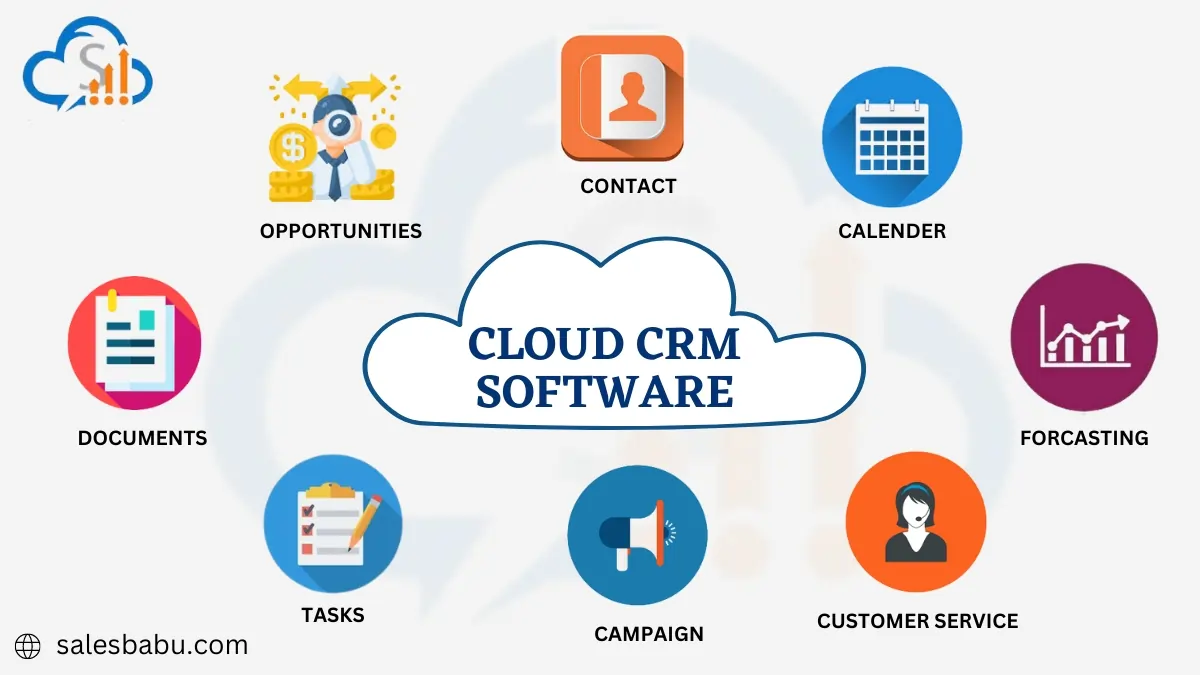
In today’s fast-paced business environment, having access to critical customer data anytime and anywhere is essential. Cloud-based CRM software empowers teams by ensuring that accessibility and mobility are never compromised.
Gone are the days when accessing customer information was limited to the office or a specific device. With cloud-based CRM solutions, teams can seamlessly connect with their data whether they’re in the office, on the road, or working from home.
Empowering Remote Teams with Unrestricted Access
Cloud-based CRM software enables remote teams to maintain productivity regardless of their location. Imagine a scenario where a customer support representative is working from a coffee shop and needs to access the latest interaction logs with a client. With a few clicks, they can retrieve the necessary information, ensuring that the customer’s needs are met promptly. This kind of flexibility not only enhances service quality but also boosts employee satisfaction as they are able to work in environments that suit them best.
Mobility Advantages for Sales Teams on the Go
Sales teams are often on the move, meeting clients, attending conferences, or visiting potential leads. With cloud-based CRM tools, they have the entire customer database at their fingertips. Consider a sales executive who receives a call from a potential client while in transit. Using the CRM mobile app, they can quickly pull up the client’s past interactions, preferences, and current deal status, enabling them to respond with personalized insights that can close deals faster. The advantage of mobility here is clear and compelling.
Cross-Device Synchronization Features
One of the standout features of cloud-based CRM is its ability to sync across all devices. Whether you start your work on a desktop, continue it on a tablet, or need to access it via your smartphone, the data remains uniformly updated and accessible. This synchronization ensures that team members can pick up right where they left off, without any data loss or redundancy. Features such as real-time updates, automatic syncing, and cloud storage integrations are just some of the ways cloud-based CRMs ensure seamless cross-device functionality.
Improved Collaboration and Communication

In the fast-paced world of business, seamless collaboration and effective communication are the keys to unlocking productivity and innovation. A cloud-based CRM system acts as the perfect catalyst to bring teams together, no matter where they are located.
By leveraging advanced tools and integrated features, cloud-based CRMs break down silos and nurture a collaborative work environment. Whether your teams are scattered across different geographies or departments, these platforms ensure that everyone is on the same page, literally and figuratively.
Methods to Facilitate Team Collaboration
Cloud-based CRM systems are equipped with a plethora of features that enhance team collaboration. These systems provide a centralized repository of customer information, accessible to all team members, fostering transparency and accountability. Shared dashboards and real-time data updates allow teams to work cohesively towards common goals.
Furthermore, integrated communication tools such as chat, video conferencing, and shared calendars streamline interactions, making it easier for teams to coordinate tasks and resolve issues swiftly. This holistic approach not only boosts efficiency but also cultivates a culture of continuous collaboration.
Comparing Collaboration Tools Across Platforms
Different cloud-based CRM platforms offer varied tools to enhance collaboration. Here’s a comparative view:
| CRM Platform | Collaboration Tools | Unique Features |
|---|---|---|
| Platform A | Shared Dashboards, Team Chat | AI-driven insights for meetings |
| Platform B | Video Conferencing, Document Sharing | Seamless email integration |
| Platform C | Task Management, Real-Time Updates | Customizable workflows |
Each platform has its own strengths, allowing businesses to choose the one that best aligns with their specific collaboration needs.
Role in Enhancing Internal Communication
A cloud-based CRM is not just a database; it’s a communication powerhouse that keeps the lines open between every department. By integrating communication channels directly into the CRM, teams can engage in meaningful interactions without switching between multiple platforms. This integration ensures that every conversation and piece of information is contextual and relevant, reducing misunderstandings and improving decision-making.
“The essence of collaboration is communication.”
With a cloud-based CRM, you’re not just managing customer relationships; you’re nurturing a communication culture that thrives on clarity and connectivity.
Data Security and Compliance

In the digital age, safeguarding customer data is non-negotiable, and cloud-based CRM solutions are designed precisely with this in mind. They offer robust security measures that are pivotal to maintaining trust and ensuring regulatory compliance.
Through advanced encryption, multi-factor authentication, and real-time monitoring, cloud-based CRM systems create an impregnable fortress around your valuable data. This not only protects against potential breaches but also ensures that businesses meet industry standards and regulations.
Security Features of Leading Cloud-Based CRM Providers
Comparing the security features of top CRM providers can illuminate which is best suited for your organization’s needs. Here’s a snapshot of how some of the leading providers stack up:
| Provider | Encryption | Authentication | Monitoring |
|---|---|---|---|
| Provider A | 256-bit AES | Multi-Factor Authentication | 24/7 Real-Time Monitoring |
| Provider B | 128-bit AES | Biometric Authentication | AI-Based Anomaly Detection |
| Provider C | End-to-End Encryption | OAuth 2.0 | Weekly Security Audits |
Choosing the right CRM provider means finding the perfect balance between security and functionality that meets your business’s unique needs.
Compliance Considerations for Cloud-Based CRM Systems
Navigating the regulatory landscape is crucial when implementing a cloud-based CRM. Regulations such as GDPR, HIPAA, and CCPA mandate stringent data protection measures, and compliance is not optional—it’s essential for business integrity.
Cloud-based CRM systems are designed to adhere to these stringent guidelines, often providing built-in compliance features that simplify the management of privacy and data protection obligations. It’s imperative to ensure your chosen CRM provider has a robust compliance framework to avoid hefty fines and damage to your reputation.
Audit trails, data anonymization, and consent management are just a few of the tools available to help businesses stay on the right side of the law. Remember, data compliance is a shared responsibility between you and your CRM provider, ensuring that both parties are aligned in their commitment to protecting customer information.
Integration with Other Tools and Services
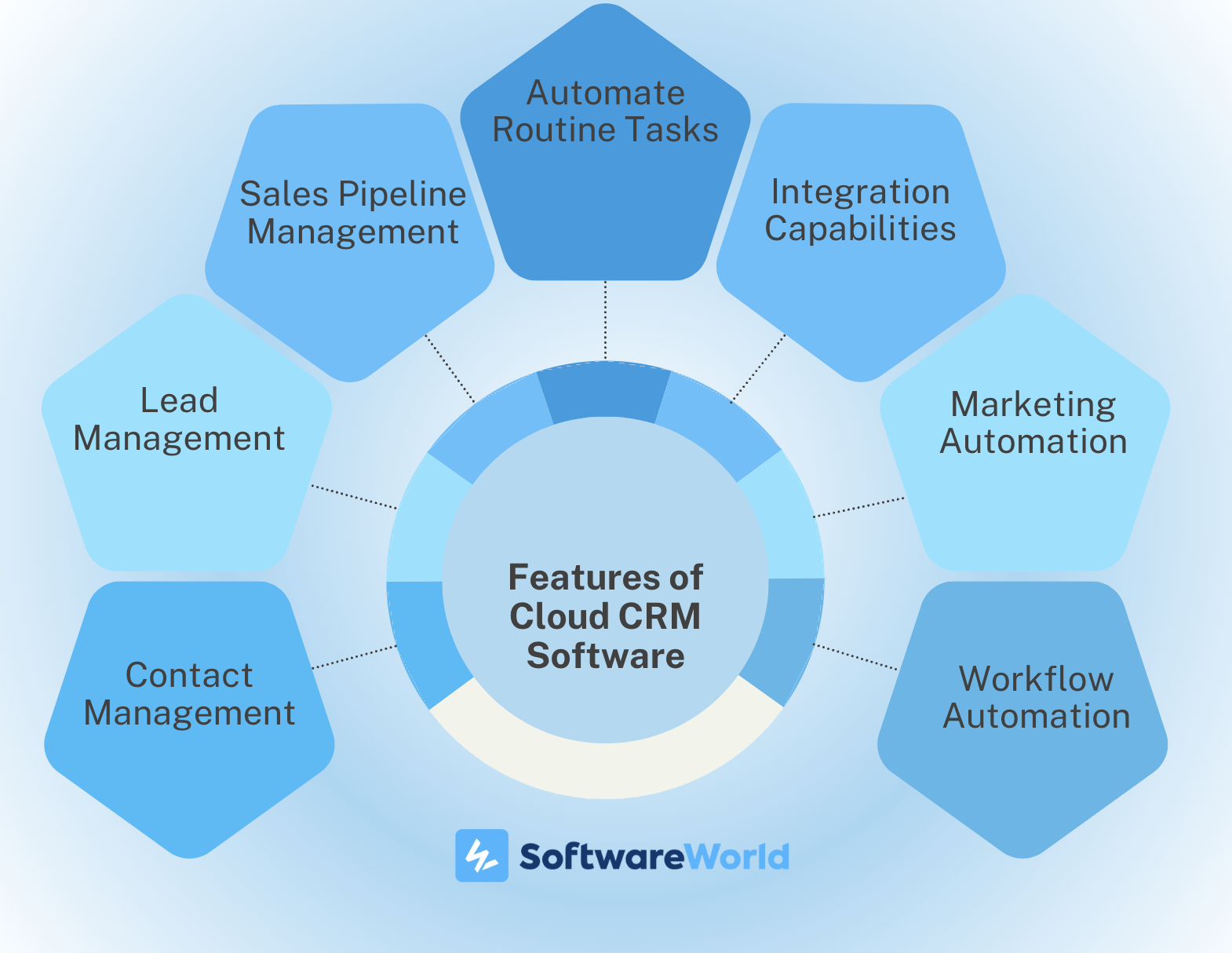
In today’s fast-paced business environment, the ability of cloud-based CRM systems to integrate with a variety of tools and services is a game-changer. This integration capability transforms CRM from a standalone system into a powerful component of a unified business ecosystem.
By integrating with other business applications, cloud-based CRM systems enhance productivity, streamline workflows, and provide a comprehensive view of customer interactions. These integrations allow businesses to connect their CRM with marketing platforms, customer service tools, accounting software, and more, breaking down silos and fostering seamless operations.
Seamless Integration with Popular Business Services
The beauty of cloud-based CRM systems lies in their ability to connect with a range of popular services, ensuring that businesses can tailor their operations to meet specific needs. Here are some widely used services that seamlessly integrate with cloud-based CRM platforms:
- Email Marketing Platforms: Effortlessly sync your CRM with tools like Mailchimp and Constant Contact to automate and personalize your email marketing campaigns.
- Social Media Management: Platforms such as Hootsuite and Buffer can be integrated to monitor and engage with customers across social networks directly from your CRM dashboard.
- Accounting Software: Tools like QuickBooks and Xero allow for easy financial data integration, helping you maintain accurate and up-to-date financial records.
- Customer Support Systems: Connect with Zendesk or Freshdesk to provide superior customer service by accessing all customer interactions in one place.
- Project Management Applications: Integrate with Asana or Trello to align your sales and project management efforts seamlessly.
The Benefits of API Availability in Cloud-Based CRM Systems
APIs (Application Programming Interfaces) are the backbone of cloud-based CRM integrations, offering a gateway for seamless connectivity with other applications and services. Here’s how API availability in cloud-based CRM systems benefits businesses:
“APIs facilitate a customized and flexible CRM experience, enabling businesses to integrate essential tools without the hassle of manual data entry.”
By leveraging APIs, companies can create custom workflows that automate repetitive tasks, thus reducing human error and freeing up valuable time for employees to focus on more strategic activities. Additionally, APIs ensure data consistency across platforms, providing a single source of truth for customer information, which is crucial for developing data-driven strategies and making informed business decisions.
Final Thoughts

As you embark on the journey toward digital excellence, remember that cloud-based CRM software is more than a tool—it’s a strategic partner in your success story. From cost-efficiency and scalability to enhanced mobility and collaboration, the benefits are as vast as the sky. Embrace this technology to not only meet your customers’ needs but to anticipate and exceed their expectations. The future of business is in the clouds, and it’s time to soar.