In the bustling world of customer service, the right tools can make all the difference. Enter CRM software: the secret weapon that propels teams from being mere service providers to becoming customer satisfaction champions. Imagine having a digital command center where you can not only manage customer interactions but also predict their needs and exceed expectations.
With CRM software, your team can streamline processes, enhance communication, and nurture relationships like never before. It’s time to unlock the potential of your customer service team with innovative CRM solutions that transform challenges into opportunities for delightful customer experiences. Let’s dive into how CRM software is revolutionizing customer service teams everywhere.
Key Features of CRM Software for Customer Service Teams
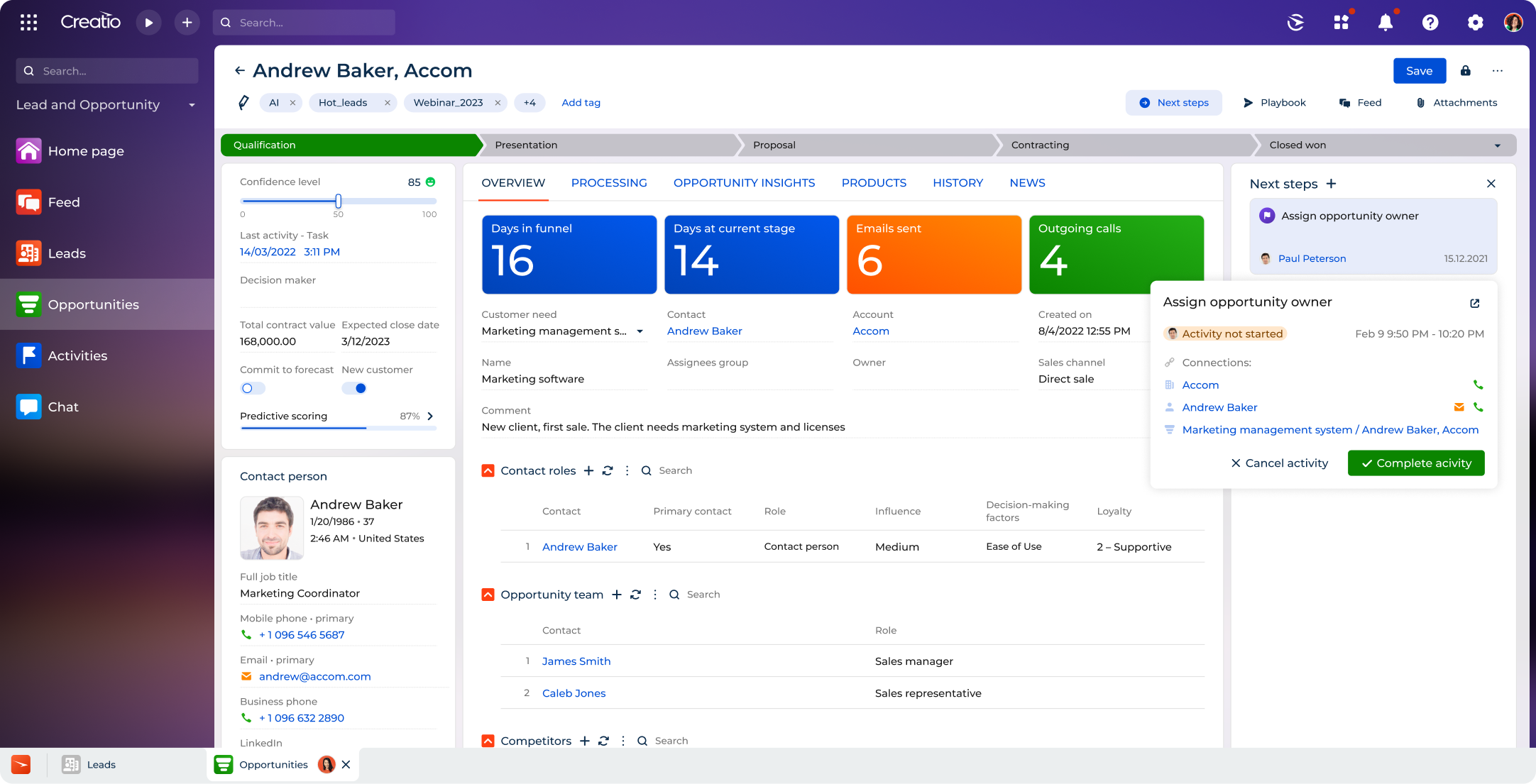
In today’s fast-paced business environment, CRM software is a game-changer for customer service teams. It provides the tools needed to enhance customer interactions and drive satisfaction.
By harnessing the power of CRM software, businesses can streamline operations, ensuring that their customer service teams are more effective and efficient. This, in turn, leads to higher levels of customer satisfaction and loyalty.
Core Functionalities That Enhance Customer Service
The most impactful CRM solutions offer a range of functionalities designed to boost customer service. These tools provide valuable insights into customer behavior and preferences, enabling teams to tailor their interactions for maximum impact. Features like automated workflows, detailed customer history, and integrated communication channels empower service representatives to deliver personalized service with ease.
How CRM Tools Improve Team Efficiency
CRM systems are equipped with robust features that significantly enhance team efficiency. By automating routine tasks, reducing manual data entry, and providing real-time access to customer information, CRM tools ensure that service teams can focus on what matters most: engaging with customers and resolving their issues. This boosts productivity and allows for faster, more accurate customer service responses.
Essential Features of CRM Software
For customer service teams, a powerful CRM solution should include the following essential features:
| Feature | Description |
|---|---|
| Automated Workflows | Streamlines repetitive tasks, allowing teams to focus on more strategic activities. |
| Integrated Communication Channels | Facilitates seamless communication across multiple platforms, ensuring no customer interaction is missed. |
| Real-Time Analytics | Provides actionable insights into customer interactions and team performance. |
| Comprehensive Customer Profiles | Enables personalized service by providing detailed information on customer history and preferences. |
The adoption of CRM software transforms how businesses interact with their customers, leading to increased satisfaction and loyalty.
Integration and Compatibility with Existing Systems
In an era where seamless communication and efficiency reign supreme, integrating CRM software with existing business tools is not just a luxury—it’s a necessity. This ensures that customer service teams operate at peak performance by having all essential data and tools at their fingertips.
Integration means more than just connecting systems; it’s about creating a harmonious digital ecosystem that enhances productivity and customer satisfaction. However, achieving this requires overcoming certain technical challenges and making strategic decisions to align CRM with other business applications effectively.
The Importance of CRM Integration with Business Tools
The ability to integrate CRM software with email platforms, social media channels, and other customer touchpoints can significantly boost a team’s ability to respond swiftly and accurately. This integration facilitates a 360-degree view of the customer, enabling service representatives to provide personalized and efficient solutions.
Common Challenges in CRM Software Integration
Integration isn’t without its hurdles. For instance, data incompatibility and security concerns often arise, creating barriers that can stall progress. To counter these, businesses should consider investing in middleware solutions that offer robust API support, ensuring smoother data exchanges and enhanced security protocols.
CRM Software Compatibility
Understanding the compatibility of different CRM software with existing systems is crucial. Here’s a comparative look at how popular CRM solutions stack up against each other:
| CRM Software | Email Integration | Social Media Compatibility | ERP System Connectivity |
|---|---|---|---|
| Zoho CRM | Yes | Yes | Moderate |
| Salesforce | Yes | Yes | High |
| HubSpot | Yes | Limited | Low |
Best Practices for Seamless CRM System Integration
To ensure a smooth integration process, follow these best practices:
- Conduct a systems audit to understand the existing infrastructure.
- Choose a CRM solution with a comprehensive API library.
- Engage stakeholders to align integration goals with business objectives.
- Implement phased integration to manage and mitigate risks.
- Regularly test the integration to ensure data integrity and security.
“Integration is not just a technical task but a strategic initiative that drives business growth and customer satisfaction.”
CRM Software Deployment and Training Strategies

Rolling out a new CRM software system can transform the way your customer service team operates. But to ensure a smooth transition, strategic deployment and comprehensive training are key.
Effective deployment of CRM software involves meticulous planning and execution, ensuring each team member is equipped to harness its full potential. Let’s delve into the steps that pave the way for a seamless CRM implementation.
Steps to Deploy CRM Software in a Customer Service Team
Transitioning to a CRM system involves several critical steps. Begin with a detailed needs assessment to identify the specific requirements of your team.
- Conduct a thorough business needs analysis to tailor the CRM features.
- Select the right CRM solution based on your team’s goals.
- Coordinate with IT to ensure infrastructure is ready for deployment.
- Create a deployment timeline, focusing on phased implementation.
- Test the system with a pilot program before full-scale deployment.
By following these steps, you can ensure that the CRM system aligns with your service processes, leading to enhanced productivity and customer satisfaction.
Methods for Effective Training on New CRM Systems
Implementing a new CRM requires more than just installing software—it’s about empowering your team. Here’s how to ensure they become adept users:
- Develop a comprehensive training program tailored to different roles.
- Utilize interactive workshops, online tutorials, and hands-on sessions.
- Provide ongoing support through Q&A sessions and refresher courses.
- Encourage a feedback loop to adapt training materials based on user experience.
“Training is not a one-time event; it’s a continuous journey.”
Essential Training Resources and Modules
Equip your team with a diverse range of resources to master the CRM system. Here’s a list of crucial training components:
| Resource | Description |
|---|---|
| Interactive Tutorials | Step-by-step guides to navigate the CRM features. |
| Video Modules | Vivid demonstrations of real-time CRM functionalities. |
| Workshops | Hands-on sessions to apply CRM skills in practical scenarios. |
| Helpdesk Support | 24/7 support to address technical queries and issues. |
Measuring the Success of CRM Training Programs
To gauge the effectiveness of your training initiatives, establish clear metrics and regularly evaluate progress:
- Monitor user engagement and CRM adoption rates across the team.
- Conduct surveys to gather feedback on training effectiveness.
- Track improvements in response times and customer satisfaction scores.
- Analyze data to identify areas for continuous training improvement.
By focusing on these metrics, you can refine your training strategies, ensuring your team remains adept and confident in using the CRM system.
Customer Data Management and Security
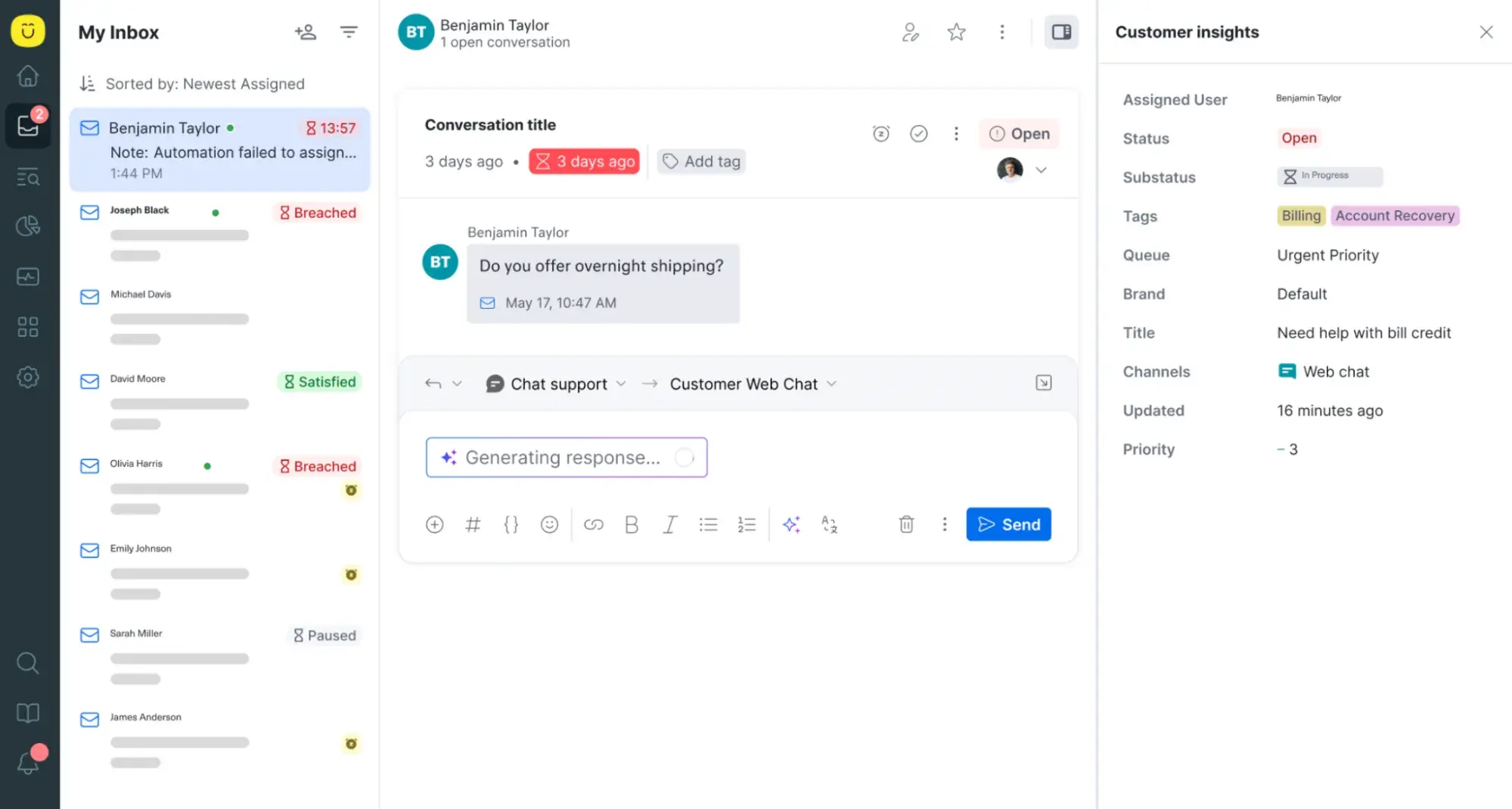
As businesses increasingly rely on CRM software to streamline operations, the management and security of customer data have never been more crucial. Safeguarding sensitive information is a top priority to foster trust and ensure regulatory compliance.
CRM software adeptly manages customer data by utilizing advanced encryption methods and secure access protocols. These tools are designed to protect personal information against unauthorized access, while also enabling seamless interaction with authenticated users. By aligning with stringent data privacy laws, CRM systems not only serve operational needs but also uphold ethical standards.
Ensuring Data Privacy Compliance
In today’s digital era, respecting customer privacy is not just good practice; it’s a legal obligation. CRM software complies with various data privacy laws such as GDPR, CCPA, and HIPAA, ensuring customer data is handled with the utmost care. Adhering to these regulations involves implementing features that allow customers to consent to data collection, request data deletion, and access their stored information. Organizations leveraging CRM systems must maintain transparency and accountability in data handling practices.
Data Security Features Overview
Robust data security features are the backbone of any reliable CRM system. These features protect against data breaches and unauthorized access, providing peace of mind to both businesses and their clients.
| Feature | Description | Benefit |
|---|---|---|
| Encryption | Transforms data into unreadable formats without proper keys | Prevents unauthorized access and ensures data confidentiality |
| Access Controls | Restricts data access to authorized personnel only | Minimizes risk of insider threats and data leaks |
| Audit Trails | Records all data access and modifications | Ensures accountability and aids in compliance audits |
| Data Masking | Conceals sensitive data to unauthorized users | Enhances data privacy during processing and reporting |
Strategies for Data Integrity and Breach Prevention
Maintaining data integrity and preventing breaches require a multifaceted approach. Regularly updating software to patch vulnerabilities is crucial. Implementing multi-factor authentication (MFA) adds an extra layer of security by requiring users to verify their identity through multiple channels. Additionally, conducting routine security audits and penetration tests can help identify potential weaknesses within the system.
Measuring the ROI of CRM Software in Customer Service
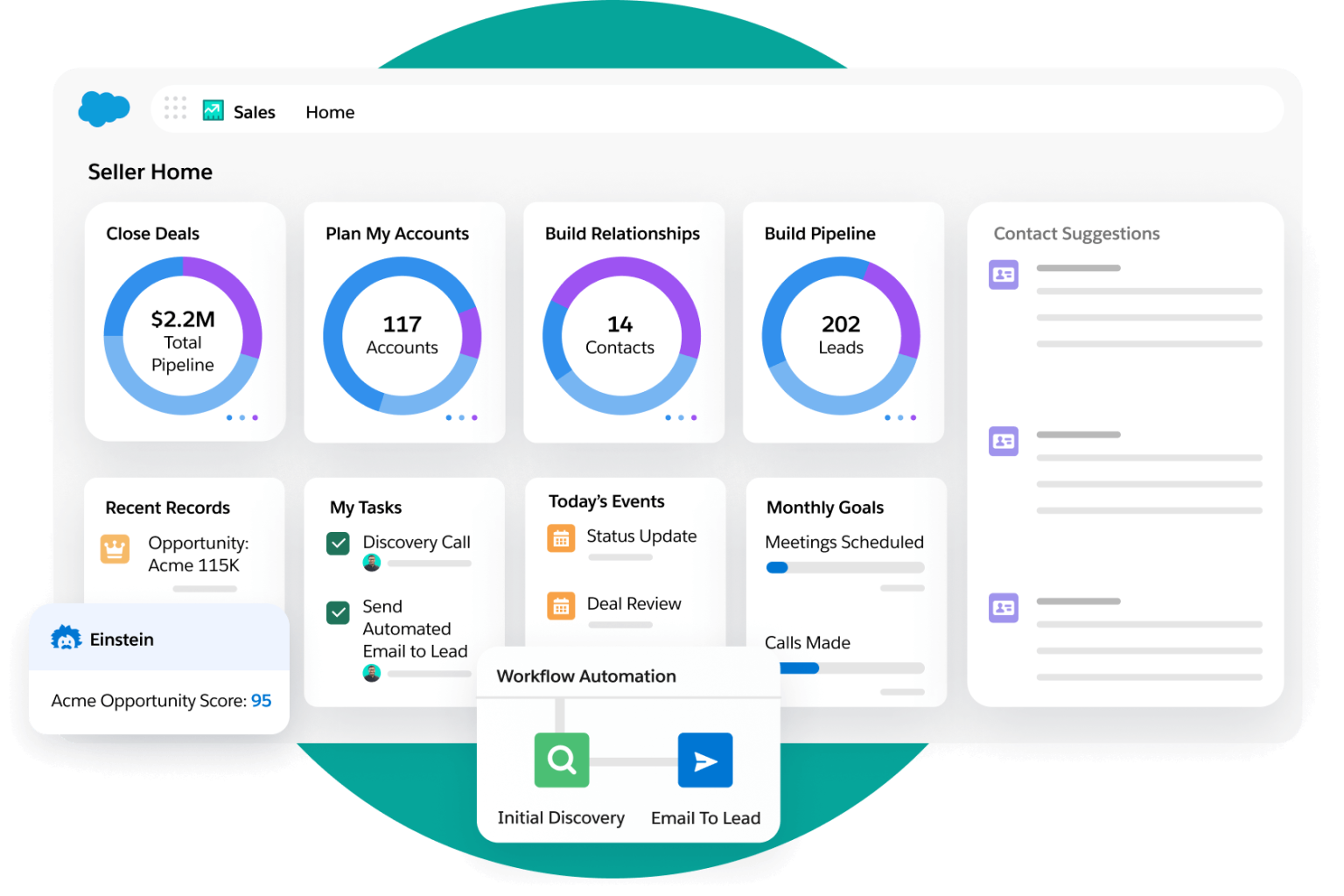
Understanding the return on investment (ROI) of CRM software is crucial for customer service teams aiming to optimize their operations. By quantifying the benefits in relation to the costs incurred, organizations can effectively gauge the value generated by their CRM systems.
Implementing a comprehensive ROI evaluation framework enables organizations to make informed decisions about their CRM strategies and investments. This involves a systematic approach to assessing various performance metrics and their impact on customer service outcomes.
Organizing Ways to Evaluate CRM ROI
To effectively evaluate the ROI of your CRM system, start by identifying the key performance indicators (KPIs) that align with your business objectives. These KPIs will serve as the foundation for your analysis, providing a clear picture of how the CRM is contributing to your goals.
- Analyze customer acquisition costs pre- and post-CRM implementation.
- Examine changes in the average customer lifetime value.
- Assess the time savings for customer service agents through CRM automation.
- Monitor the reduction in service response times.
Quantifying Improvements in Customer Retention Rates
One of the most tangible benefits of CRM software in customer service is increased customer retention. To quantify these improvements, establish baselines and benchmarks to measure against.
- Calculate the retention rate before CRM adoption.
- Track repeat purchase rates and their growth.
- Monitor changes in customer satisfaction scores over time.
- Measure the frequency of customer interactions and loyalty program participation.
Step-by-Step Process for Conducting CRM ROI Analysis
Conducting a thorough ROI analysis requires a structured approach. Here’s a step-by-step process to guide your evaluation:
- Define your business objectives and align your CRM goals accordingly.
- Identify key metrics and establish baseline measurements.
- Collect data using CRM analytics tools and reports.
- Analyze the data to identify trends and insights.
- Calculate ROI by comparing net gains versus total costs.
- Iterate and refine strategies based on insights gained.
Examples of Metrics to Track CRM Performance
Tracking the right metrics is essential for evaluating CRM performance and its impact on customer service. Here are some critical metrics to consider:
| Metric | Description |
|---|---|
| Customer Satisfaction Score (CSAT) | Measures the level of satisfaction customers feel after interactions. |
| Net Promoter Score (NPS) | Assesses customer loyalty and the likelihood of referrals. |
| First Contact Resolution (FCR) | Tracks the percentage of issues resolved during the first contact. |
| Customer Effort Score (CES) | Evaluates the ease with which customers can resolve their issues. |
“The true value of CRM software lies in its ability to transform data into impactful customer experiences.”
Future Trends in CRM Software for Customer Service Teams
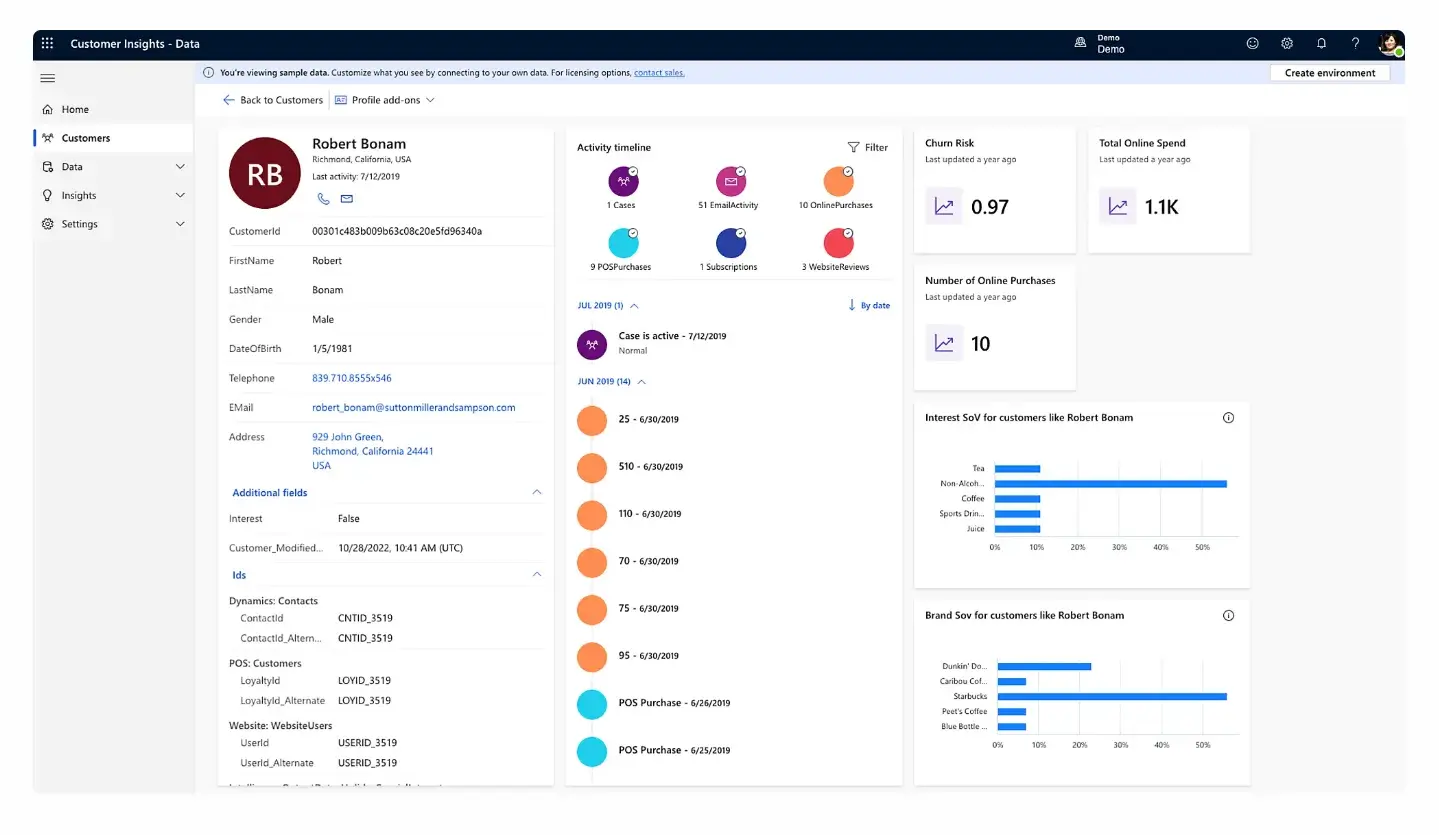
The realm of CRM software is rapidly evolving, paving the way for revolutionary changes in how customer service teams operate. As technology advances, new features and capabilities are being integrated into CRM platforms to enhance customer interactions and streamline operations.
Current CRM systems are already equipped with capabilities that improve customer engagement, but the future promises even more sophistication. Let’s delve into the emerging trends and technologies that are set to redefine CRM software for customer service teams.
Emerging Technologies in CRM Software
As we peer into the future, it’s clear that artificial intelligence (AI) and machine learning are at the forefront of CRM innovation. These technologies are being increasingly integrated into CRM platforms, offering predictive analytics and automation that elevate customer service experiences.
- Predictive Analytics: AI-driven insights help forecast customer needs and behaviors, enabling proactive service strategies.
- Automation: Machine learning algorithms automate routine tasks, freeing up valuable time for customer service teams to focus on complex issues.
- Personalization: Enhanced data analysis leads to highly personalized customer interactions, fostering stronger relationships.
Comparing Current Features with Upcoming Innovations
While today’s CRM systems offer robust capabilities, the future holds innovations that will transform these systems into more dynamic tools. The table below highlights some key differentiators between current features and upcoming innovations in CRM software:
| Current CRM Features | Upcoming Innovations |
|---|---|
| Basic analytics and reporting | Advanced predictive analytics |
| Manual data entry | Automated data capture and input |
| Standard customer segmentation | AI-driven dynamic segmentation |
The Role of AI and Machine Learning
The integration of AI and machine learning into CRM systems is not just a trend, it’s a paradigm shift. These technologies are poised to transform how customer service teams operate by providing tools that are smarter and more efficient.
“AI in CRM is about making every customer interaction as seamless as possible.”
Through AI, customer service teams can gain access to real-time insights, helping them to address customer issues swiftly and effectively. Machine learning, on the other hand, allows CRM systems to learn from past interactions, improving decision-making processes and enhancing customer satisfaction over time.
Predicting Future Needs for Customer Service Teams
As customers become increasingly tech-savvy and demand higher levels of service, CRM systems must evolve to meet these expectations. The future may see CRM software incorporating more advanced technologies such as virtual reality (VR) for immersive customer experiences, and blockchain for enhanced data security. Customer service teams will likely require systems that not only manage data efficiently but also facilitate seamless multi-channel interactions.
In conclusion, the future of CRM software is bright, with innovations set to empower customer service teams like never before. As we embrace these changes, the focus will remain on delivering exceptional customer experiences through smarter, more intuitive CRM solutions.
Closure
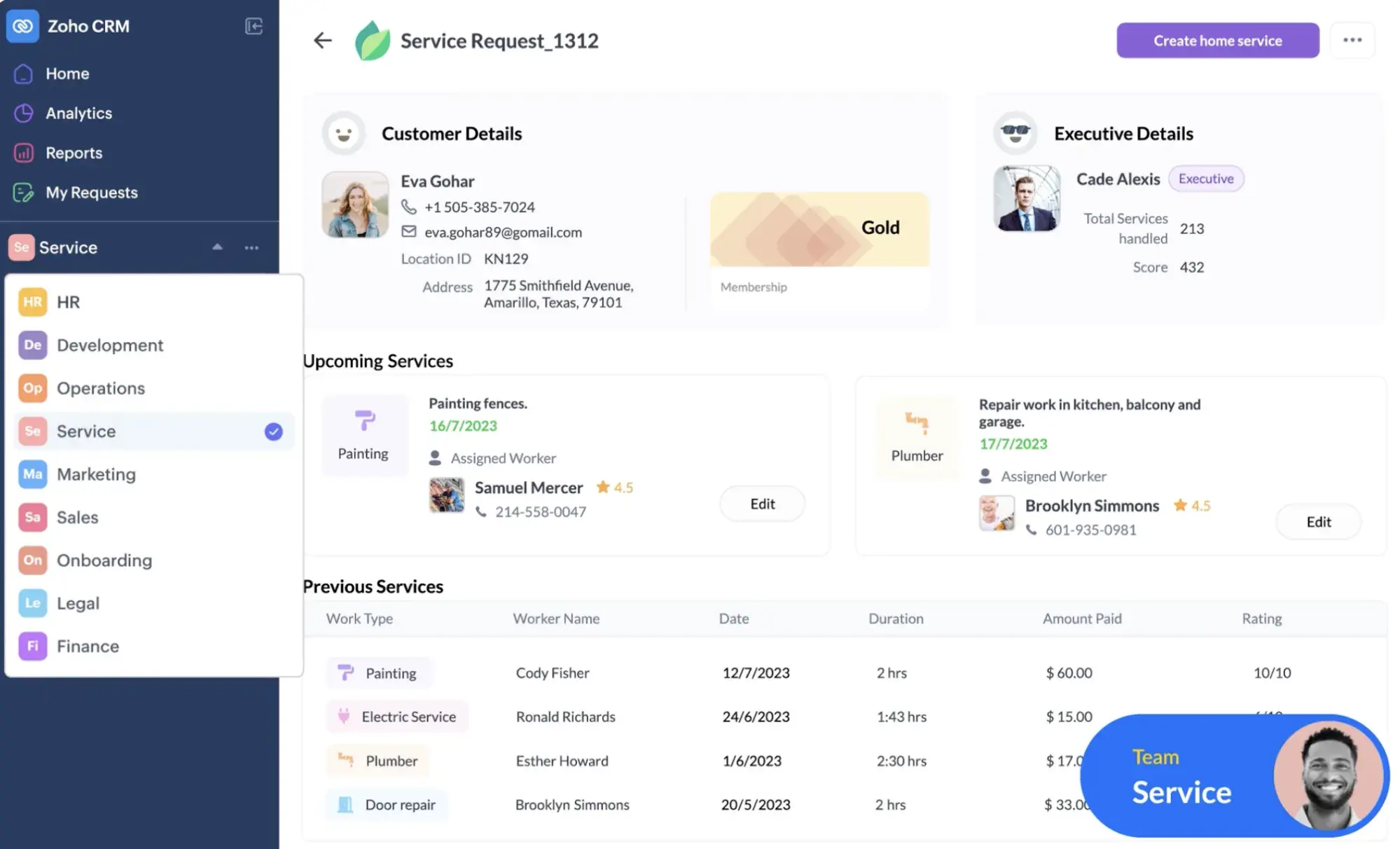
As we embrace the future, CRM software stands as a beacon of innovation for customer service teams. It’s more than just a tool; it’s the key to unlocking unparalleled customer satisfaction and business success. By leveraging the power of CRM, your team can not only meet but exceed customer expectations, forging lasting connections and driving growth.