In a digital age where data is the new currency, ensuring the security of customer information is paramount. Imagine a world where every click, transaction, and interaction is shielded by an impregnable fortress of technology. This is not a distant dream but a necessity in today’s business environment. The crux of success lies in mastering secure data handling within CRM software, where every byte is guarded with the utmost vigilance.
As businesses increasingly rely on CRM systems to manage and enhance customer relationships, the significance of robust data protection cannot be overstated. It’s about building a trustworthy bridge between companies and their customers, where privacy concerns are addressed head-on, and compliance with regulations becomes second nature. Let us embark on this journey to explore the essential practices and innovations that ensure data security in CRM software.
Importance of Secure Data Handling in CRM Software
In today’s digital era, where data is the new oil, safeguarding information within CRM systems has never been more critical. This practice not only protects your business but also instills trust in your customers.
Secure data handling in CRM software serves as a fortress, fortifying sensitive customer information against potential breaches. It ensures business continuity and maintains the integrity of your client relationships.
Risks of Insecure Data Handling
Failing to secure data within CRM systems can lead to disastrous consequences. Data breaches can expose personal customer information, leading to identity theft and financial fraud. Moreover, such incidents can damage your company’s reputation and result in financial penalties.
- Loss of customer trust and loyalty
- Legal repercussions and fines
- Competitive disadvantage
Building Customer Trust and Ensuring Compliance
Secure data handling is pivotal for customer trust and compliance with industry regulations like GDPR and CCPA. Customers expect their data to be handled with the utmost care, and any lapses can lead to a breach of trust.
| Aspect | Secure CRM | Insecure CRM |
|---|---|---|
| Customer Trust | High | Low |
| Regulatory Compliance | Ensured | At Risk |
“Adhering to industry standards for data security, such as ISO 27001, not only protects customer data but also enhances your brand’s credibility.” – Data Security Expert
Methods for Ensuring Data Security in CRM Software
In today’s digitally interconnected world, protecting customer data in CRM software is more crucial than ever. By adopting robust security methods, businesses can safeguard sensitive information and build trust with their clients.
Let’s delve into the effective techniques that ensure data security within CRM systems, focusing on encryption methods, user authentication, and cutting-edge technologies that are shaping the future of secure data handling.
Encryption Techniques Used in CRM Software
Encryption transforms data into a secure format that is unreadable without a decryption key. By encrypting data both at rest and in transit, CRM systems protect customer information from unauthorized access.
- Symmetric Encryption: Uses a single key for both encryption and decryption. It’s fast and efficient but requires secure key management.
- Asymmetric Encryption: Uses a pair of keys – a public key for encryption and a private key for decryption. This is more secure but computationally intensive.
- Advanced Encryption Standard (AES): A widely adopted specification for encrypting electronic data, offering high security and reliability.
These techniques are fundamental in fortifying CRM systems against data breaches and unauthorized data access.
Methods for User Authentication and Secure Access Controls
User authentication is the frontline defense in data security. Ensuring only authorized users can access sensitive information within CRM systems is crucial for maintaining data integrity.
- Multi-Factor Authentication (MFA): Requires two or more verification factors, significantly enhancing security beyond simple passwords.
- Role-Based Access Control (RBAC): Assigns access permissions based on user roles, limiting data access to those with a legitimate need.
- Biometric Authentication: Utilizes unique physical characteristics for user verification, offering an additional security layer.
Implementing these authentication methods ensures that data access is secure and restricted to verified users.
Comparison of Security Methods in CRM Software
| Method | Description | Advantages | Limitations |
|---|---|---|---|
| Symmetric Encryption | Uses a single key for encryption and decryption. | Fast, efficient, and easy to implement. | Key must be securely shared and managed. |
| Asymmetric Encryption | Utilizes a public and private key pair. | Highly secure; no need to share private key. | Slower performance due to complex calculations. |
| Multi-Factor Authentication | Requires multiple forms of verification. | Significantly increases security. | Can be cumbersome for users if not implemented properly. |
Cutting-Edge Technologies Enhancing CRM Data Security
Emerging technologies are paving the way for advancements in data security within CRM systems. Artificial Intelligence (AI) and Machine Learning (ML) are increasingly being used to identify suspicious activities and potential threats in real-time.
“By leveraging AI and ML, CRM systems can proactively protect customer data, ensuring compliance and enhancing security measures.”
These technologies are set to revolutionize data security strategies, providing businesses with innovative tools to protect sensitive information.
Data Handling Procedures in CRM Software
Handling data with care in CRM software is paramount to ensure confidentiality, integrity, and availability of information. Let’s dive into the foundational procedures that underpin robust CRM data management.
In the realm of CRM software, data handling is not just a task—it’s a responsibility. Every touchpoint where data is accessed or manipulated must be fortified with stringent protocols to prevent breaches and ensure compliance with regulations.
Standard Procedures for Handling Sensitive Data
Implementing secure data handling procedures within CRM platforms involves setting up measures that protect personal and sensitive information from unauthorized access and data breaches. These procedures must be designed to address the entire lifecycle of data within the CRM system.
- Data Classification and Labeling: Identify and classify data based on sensitivity levels to apply appropriate security measures.
- Access Control: Limit data access to authorized personnel only, using role-based permissions.
- Encryption: Use encryption protocols for data at rest and in transit to safeguard against unauthorized access.
- Audit Trails: Maintain logs of data access and modifications to monitor suspicious activities.
- Data Masking: Mask sensitive data when using it for non-production purposes such as training or testing.
Step-by-Step Guide for Secure Data Handling Protocols
To ensure secure data handling within CRM software, a structured approach is needed. Here’s a step-by-step guide to implement these protocols effectively.
- Create a Data Handling Policy: Document your data handling procedures and ensure all team members are trained on them.
- Conduct Regular Security Audits: Schedule periodic audits to assess the effectiveness of your data handling measures.
- Utilize Data Loss Prevention (DLP) Tools: Implement DLP tools to identify and protect sensitive data automatically.
- Regularly Update Software: Keep your CRM and related software updated to protect against vulnerabilities.
- Backup Data: Regularly backup data to secure locations to prevent loss from accidental deletions or cyber attacks.
Common Pitfalls in CRM Data Handling and How to Avoid Them
Even with the best procedures in place, oversights can occur. Recognizing common pitfalls in CRM data handling can prevent costly mistakes.
One common pitfall is inadequate access control, where employees have more access than necessary. Regularly review and update permissions to avoid this issue. Another pitfall is the lack of encryption, making data vulnerable during transfers. Always use strong encryption methods. Failure to conduct regular audits can also lead to undetected security loopholes. Schedule audits and follow up on findings promptly.
| Procedure | Implementation Steps | Tools Required | Best Practices |
|---|---|---|---|
| Data Classification | Identify data types, label sensitive data | Data Classification Tools | Regularly update classification based on changes |
| Access Control | Define roles, set permissions, review regularly | IAM software | Apply principle of least privilege |
| Encryption | Encrypt data at rest and in transit | Encryption Software | Use industry-standard encryption algorithms |
| Audit Trails | Log access and changes, review logs | Logging Tools | Automate log analysis |
Regulatory Compliance and CRM Data Security
In the realm of CRM software, data security is not just about protecting information; it’s also about adhering to a multitude of regulatory standards. These regulations ensure that customer data is handled with care and integrity, safeguarding privacy rights worldwide.
Understanding and implementing these regulatory requirements is critical for CRM systems, which often store vast amounts of personal data. Let’s delve into the key compliance regulations and how CRM systems are designed to meet these standards.
Key Compliance Regulations Affecting CRM Data Handling
Several regulatory bodies have established stringent guidelines for data privacy and security. GDPR (General Data Protection Regulation) in Europe and CCPA (California Consumer Privacy Act) in the United States are prominent examples. These regulations not only dictate how data should be collected and processed but also enforce rigorous standards for data protection.
- GDPR: Ensures that personal data is collected legally and under strict conditions, with a focus on protecting the data from misuse and exploitation.
- CCPA: Grants California residents more control over the personal information that businesses collect about them.
Comparing Regulations Across Regions
Regulations vary significantly across regions, influencing how CRM software is developed and managed. The table below highlights some of the key differences:
| Region | Primary Regulation | Core Focus |
|---|---|---|
| Europe | GDPR | Consent, Data Minimization, Right to Access |
| United States | CCPA | Right to Know, Right to Delete, Right to Opt-Out |
| Australia | Privacy Act | Collection, Storage, Use of Personal Information |
Designing CRM Systems for Compliance
To seamlessly integrate compliance into CRM systems, developers can incorporate several features and practices. This ensures that data handling aligns with regulations while maintaining operational efficiency.
A key strategy is the implementation of data encryption and access controls to safeguard sensitive information. Additionally, CRM systems should include audit trails to provide transparency in data handling processes, allowing businesses to demonstrate compliance in the event of an audit.
Features in CRM Supporting Regulatory Compliance
Modern CRM systems are equipped with numerous features designed to assist companies in adhering to regulatory standards. Some of these features include:
- Data anonymization tools to protect customer identities.
- Consent management features to ensure that data collection adheres to legal requirements.
- Automated reporting tools that generate compliance reports with ease.
“Compliance is not a choice; it’s a necessity embedded in CRM architecture.” This principle guides CRM developers to continually evolve and enhance systems to meet ever-changing regulatory demands.
Best Practices for Safeguarding CRM Data
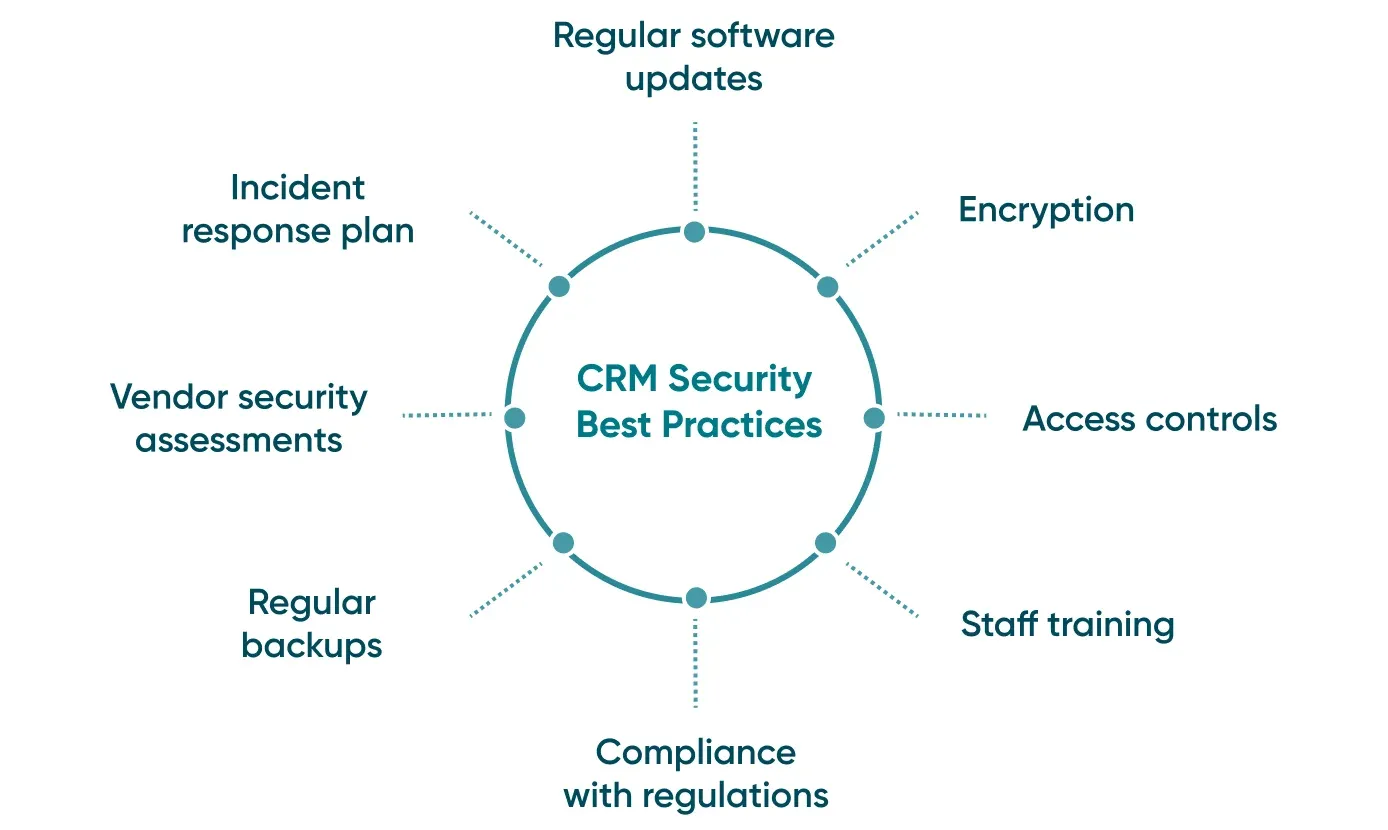
In the digital age, safeguarding CRM data is more crucial than ever. Organizations must implement strategic measures to protect this invaluable asset.
By following best practices, businesses can ensure the integrity and security of customer data within CRM systems. Let’s dive into some essential strategies for maintaining robust data protection.
Organizing Best Practices for Data Integrity
Maintaining data integrity in CRM systems is no small feat, but with the right approach, it’s entirely achievable. Here are some best practices to consider:
- Implement encryption for data both at rest and in transit.
- Utilize role-based access controls to restrict data access to authorized personnel only.
- Regularly update software to patch vulnerabilities and stay ahead of potential threats.
- Conduct frequent penetration testing to identify and address security weaknesses.
- Enable multi-factor authentication to add an extra layer of security.
Regular Data Audits and Monitoring
Frequent data audits and continuous monitoring are vital to ensuring data security in CRM systems. These practices help identify anomalies and prevent unauthorized access.
Conducting thorough audits allows organizations to assess data handling processes and detect any irregularities that may indicate a breach. Monitoring tools provide real-time alerts that can preemptively thwart potential attacks.
The Role of Employee Training in Secure Data Handling
Employees are the first line of defense when it comes to data security. Comprehensive training programs are crucial to empowering them with the knowledge and skills needed for safe data handling.
Training should cover topics such as identifying phishing scams, securing passwords, and understanding data protection regulations. By fostering a culture of security awareness, companies can significantly reduce the risk of data breaches.
“After a comprehensive training initiative, Company X reported a 40% reduction in data handling errors. This proactive approach not only safeguarded customer information but also reinforced trust in their brand.”
Case Studies of Successful Data Protection
Real-world examples provide valuable insights into the effectiveness of robust data protection strategies. Here are a few illustrative case studies:
“Company Y implemented a multi-layered security approach that included encryption, regular audits, and employee training. As a result, they successfully mitigated a potential data breach, saving millions in potential losses.”
“By adopting advanced monitoring solutions, Company Z was able to detect and neutralize a cyber threat within minutes, ensuring uninterrupted service and maintaining customer trust.”
Future Trends in Data Security for CRM Software
As the digital realm evolves, so too must our strategies for safeguarding sensitive customer information in CRM software. The landscape of data security is rapidly shifting, influenced by technological advancements and sophisticated cyber threats.
Understanding these emerging trends is crucial for organizations looking to fortify their CRM systems against potential breaches and maintain customer trust. Let’s delve into the key trends shaping the future of data security in CRM applications.
Emerging Technologies and Their Impact on CRM Data Protection
With the rise of artificial intelligence (AI) and machine learning (ML), CRM software is becoming more intelligent in identifying and mitigating threats. AI-driven analytics can detect anomalies and potential threats faster than traditional methods, offering a proactive approach to data security.
Blockchain technology is also making its way into CRM systems, providing a decentralized and tamper-proof method for storing customer data. This shift not only enhances security but also builds transparency and trust with users.
Artificial Intelligence as a Guardian of Data
AI’s role in CRM data protection extends beyond threat detection. It can automate compliance monitoring, ensuring that data handling practices adhere to regulatory standards by continuously analyzing processes and flagging deviations.
“AI is not just a tool but a strategic ally in the quest for data security.”
Table: Emerging Trends in Data Security for CRM
| Trend | Potential Benefits | Challenges | Implementation Strategies |
|---|---|---|---|
| AI and Machine Learning | Proactive threat detection, automated compliance | Complexity, risk of AI bias | Invest in AI training, integrate AI with existing systems |
| Blockchain Technology | Decentralization, enhanced data integrity | Scalability, integration difficulties | Partner with blockchain providers, pilot small projects |
| Biometric Authentication | Improved security, user convenience | Privacy concerns, technology costs | Conduct privacy assessments, educate users |
Shaping the Future of CRM Data Security with Technology
As organizations embrace these technological advancements, the imperative to adopt innovative data security measures becomes more pressing. Future technologies promise to reshape CRM data security by fostering environments where customer data is not only protected but also ethically managed.
Embracing these trends will mean a shift in how companies perceive data security—not just as a necessity, but as an opportunity to build stronger, more transparent relationships with their customers.
Final Thoughts
The path to secure data handling in CRM software is paved with vigilance, innovation, and a commitment to excellence. As we gaze into the future, the integration of AI and cutting-edge technologies promises a new era of data protection, reshaping the landscape of customer relationship management. By embracing these advancements, businesses can fortify their defenses, inspire trust, and thrive in an ever-evolving digital world. Let us champion this cause for secure data handling, where every step we take is a stride toward ultimate digital integrity.