In the fast-paced world of modern business, every lead is a potential gold mine waiting to be discovered. But how do you ensure that none slip through the cracks? Enter CRM software—the unsung hero of effective lead management. With its ability to streamline and optimize every step of the process, CRM software is the ultimate tool for turning potential into profit.
Imagine a world where your leads are meticulously tracked, prioritized, and nurtured, all with the precision of a well-oiled machine. By harnessing the power of CRM software, you can transform your lead management strategy and watch your business soar to new heights. Let’s dive into how you can leverage this technology to not only meet but exceed your lead management goals.
Understanding CRM Software in Lead Management
In the world of sales, managing leads is akin to capturing lightning in a bottle; it requires precision, speed, and the right tools. Enter CRM software, your ultimate ally in transforming chaotic lead data into actionable insights.
Customer Relationship Management (CRM) software plays a pivotal role in managing leads by offering a centralized platform for tracking and nurturing potential customers. It streamlines the entire lead lifecycle, from initial contact to conversion, ensuring no opportunity slips through the cracks.
Streamlining Lead Tracking Processes
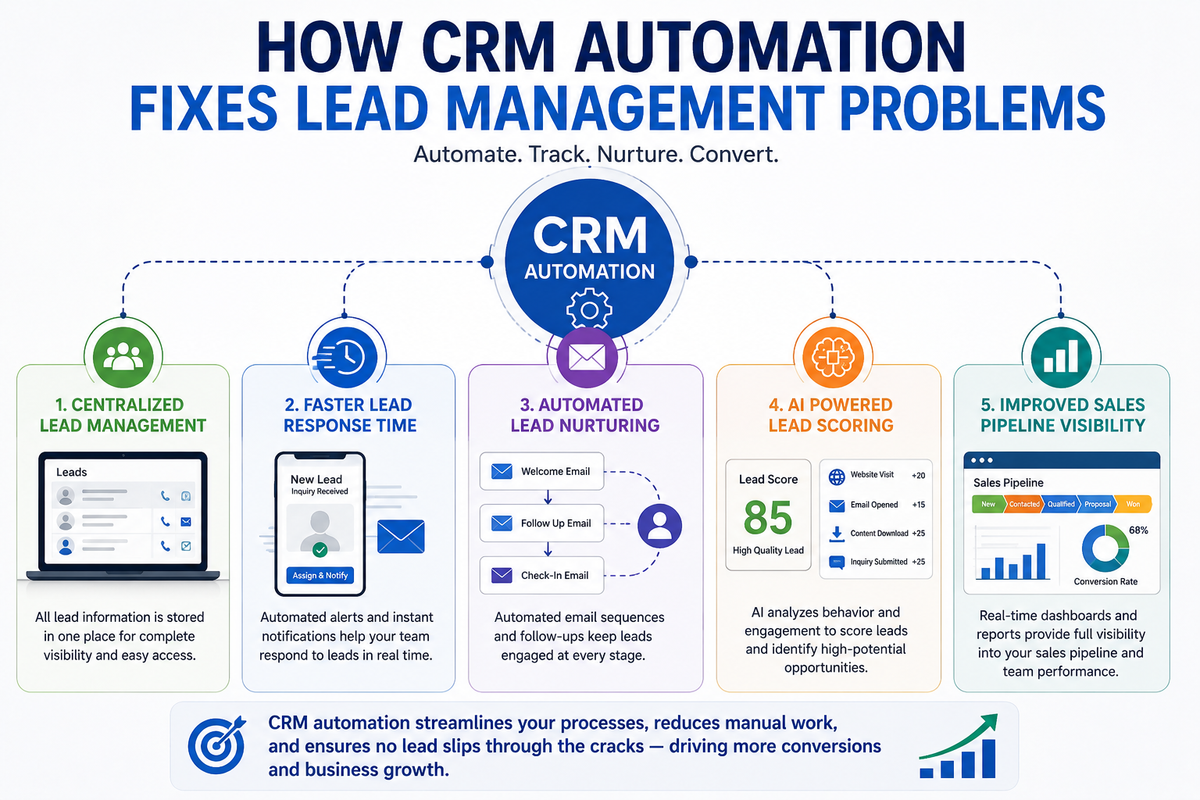
CRM software revolutionizes how businesses handle lead tracking. By automating data entry and integrating with communication tools, sales teams can monitor interactions seamlessly. This system not only saves time but also enhances accuracy, allowing sales representatives to focus on building relationships rather than manual data management.
Moreover, CRM software provides visual pipelines that offer a clear overview of where each lead stands in the sales cycle. This visibility is crucial for identifying bottlenecks and optimizing conversion strategies.
Benefits of Lead Prioritization with CRM
Utilizing CRM software for lead prioritization is like having a personalized assistant who knows precisely which leads are hot. By analyzing data points such as engagement history and demographic information, CRM systems can score leads based on their likelihood to convert.
This scoring mechanism enables sales teams to allocate their time and resources efficiently, focusing on leads that promise the highest return on investment. As a result, businesses can improve their conversion rates dramatically without increasing overhead.
“CRM software transforms lead management from a daunting task into a strategic advantage.”
Key Features of CRM Software for Lead Management
Unlocking the full potential of CRM software can transform your lead management process into a powerhouse of efficiency and effectiveness. By focusing on essential features, businesses can ensure that no lead slips through the cracks.
CRM software is designed to provide a holistic view of lead information, streamline workflows, and enhance communication. With automation features, it becomes an indispensable tool for nurturing leads and converting them into loyal customers.
Essential Features That Drive Success
The right CRM equips your team with lead tracking, data integration, and collaboration tools, each playing a crucial role in managing your sales funnel. Let’s delve into these features and see how they make a difference:
- Lead Capture and Tracking: Automatically gathers leads from various sources and tracks their journey, ensuring no opportunity is lost.
- Contact Management: Centralizes all lead interactions, providing a complete history and enabling personalized communication.
- Email Automation: Schedules and sends personalized emails, nurturing leads effortlessly and saving valuable time.
- Analytics and Reporting: Provides insights into performance metrics, helping refine strategies and improve conversions.
“In the world of CRM, automation is not just a feature; it’s the backbone of lead nurturing.”
How Automation Enhances Lead Nurturing
Automation in CRM isn’t just about doing things faster; it’s about doing them smarter. Automating routine tasks allows sales teams to focus on building relationships and closing deals. This strategic use of automation leads to a more personalized approach to lead nurturing.
Consider the power of automated workflows: they can trigger follow-ups, schedule meetings, and manage communications without any manual intervention. This ensures your leads receive timely and relevant interactions, increasing the likelihood of conversion.
| Feature | Description | Benefit | Example |
|---|---|---|---|
| Lead Scoring | Automatically ranks leads based on engagement and potential. | Helps prioritize efforts on high-potential leads. | Assigns higher scores to leads that frequently engage with content. |
| Workflow Automation | Automates repetitive tasks and processes. | Frees up time for sales teams to focus on closing deals. | Automatically sends follow-up emails based on lead actions. |
| Integration Capabilities | Connects with other software like email platforms and social media. | Ensures a seamless flow of data across platforms. | Synchronizes contact details from email platforms. |
Implementing CRM Software for Optimal Lead Management
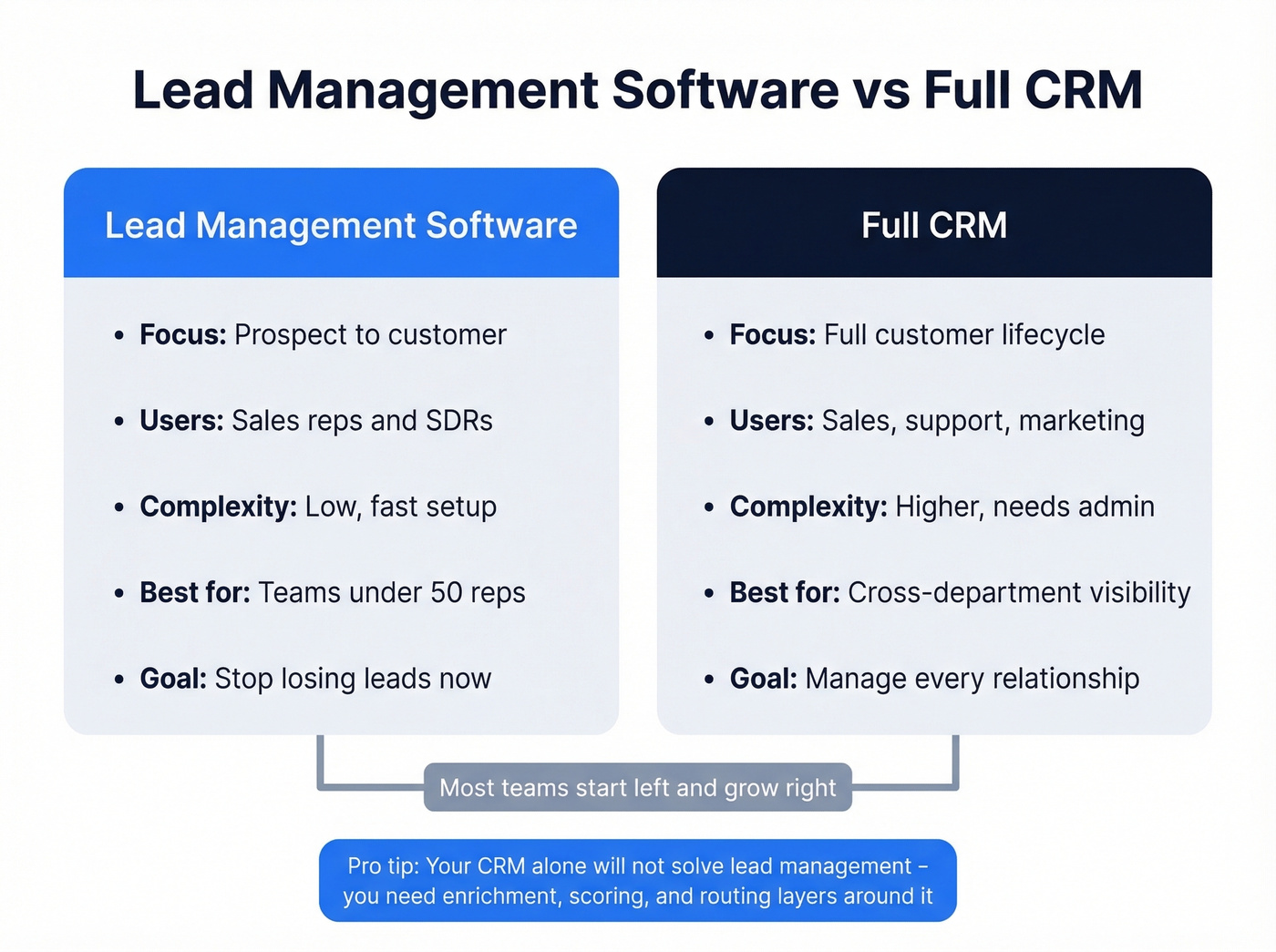
Unlocking the true potential of CRM software for lead management involves a strategic approach that aligns technology with business objectives. This journey requires careful planning and a tailored strategy to seamlessly integrate CRM software into the organization’s framework.
Implementing CRM software is a transformative process that can redefine how businesses handle leads. It requires an understanding of the organization’s unique needs and the agility to customize the software to meet these demands. Let’s explore how to effectively implement CRM solutions that drive success in lead management.
Steps for Successful CRM Software Implementation
A structured approach to CRM software implementation ensures that businesses reap the maximum benefits from their investment. Here’s a roadmap to guide organizations:
- Conduct a Needs Assessment: Identify the specific challenges and goals related to lead management within your organization.
- Choose the Right CRM Software: Select a solution that aligns with your business objectives and can scale as your needs evolve.
- Engage Stakeholders: Involve key team members across departments to ensure the software meets cross-functional requirements.
- Develop an Implementation Plan: Define timelines, resources, and responsibilities to keep the implementation on track.
- Train Your Team: Provide comprehensive training to ensure users are comfortable and proficient with the new system.
- Monitor and Optimize: Continuously evaluate the system’s performance and make necessary adjustments to enhance efficiency.
Customizing CRM Software to Fit Specific Needs
Customization is key to harnessing the full potential of CRM software for lead management. By tailoring the system to reflect the unique workflows and processes of your organization, you ensure a more effective and personalized user experience. Consider these methods:
- Define Unique Lead Stages: Adjust lead stages to mirror your sales process, ensuring accurate tracking and management.
- Create Custom Fields: Add specific fields that capture essential data unique to your industry or business practices.
- Automate Workflows: Design automated workflows to streamline lead nurturing and follow-up processes.
- Personalize Dashboards: Tailor dashboards to display relevant metrics and insights for different user roles.
- Integrate Third-Party Applications: Connect CRM software with other tools to enhance data flow and collaboration.
Integrating CRM with Existing Business Processes
Integrating CRM software with your established business processes is crucial for a seamless experience and maximizing efficiency. Here’s how you can design a successful integration plan:
Start by mapping out current processes and identifying areas where CRM can be embedded to enhance productivity. Pay attention to how CRM will interact with existing tools and systems. The goal is to create a harmonious ecosystem where CRM serves as the central hub for lead management operations.
“By aligning CRM software with business processes, organizations can achieve greater efficiency and a unified approach to lead management.”
Consider cross-departmental workshops to ensure every team understands the integration’s impact and benefits. By fostering collaboration, you can fine-tune processes and promote a culture that embraces change and innovation.
Comparing Different CRM Software Options

In the ever-evolving digital landscape, selecting the right CRM software for lead management can be a game-changer. Navigating through a plethora of options can be daunting, but understanding their capabilities significantly aids decision-making.
Each CRM platform offers distinct features tailored to diverse industry needs. Evaluating these options through a laser-focused lens ensures that you choose a tool that aligns perfectly with your business strategies and enhances lead conversion.
Evaluating CRM Software for Specific Industry Needs
Given the unique requirements across various sectors, it’s crucial to identify CRM solutions that cater to specific industry demands. For instance, a real estate agency might prioritize features like property tracking and client follow-ups, whereas a SaaS company might need robust analytics and integration capabilities.
Let’s delve deeper into how these software solutions stack up against each other, enabling you to make an informed choice.
Lead Management Features Comparison
Here’s a comparison of leading CRM software solutions based on their lead management features. Analyze the pros and cons to determine which platform best meets your organizational goals.
| Software Name | Lead Management Features | Pros | Cons |
|---|---|---|---|
| Salesforce | Advanced lead scoring, automated workflows | Highly customizable, strong analytics | Steep learning curve, costly |
| HubSpot CRM | Email tracking, lead nurturing | User-friendly, free tier available | Limited advanced features in free version |
| Zoho CRM | AI-powered lead prediction, multichannel communication | Affordable, scalable | Integration issues with third-party apps |
“Choosing the right CRM is not just about features; it’s about how well it integrates with your business goals.”
Best Practices for Using CRM Software in Lead Management
In an ever-evolving landscape of customer relations, mastering CRM software is crucial for harnessing its full potential in lead management. By incorporating best practices, businesses can significantly enhance their lead conversion rates and maintain a robust database.
These practices not only streamline operations but also ensure that every lead is nurtured and every opportunity is maximized. Let’s delve into strategies that can revolutionize your approach to lead management using CRM software.
Maximizing Lead Conversion Rates
Utilizing CRM software effectively requires a strategic approach to increase lead conversion rates. Automation should be leveraged to manage follow-ups and nurturing campaigns. By setting up automated workflows, you ensure no lead slips through the cracks. Personalization is another key strategy; tailor communications to reflect individual lead preferences and behaviors.
- Implement lead scoring to prioritize efforts on the most promising leads.
- Use CRM analytics to track conversion success and refine strategies accordingly.
- Integrate CRM with marketing tools for seamless data sharing and campaign execution.
Ensuring Data Accuracy and Consistency
Maintaining accurate and consistent data in your CRM system is essential for informed decision-making and effective lead management. Regular data audits should be conducted to identify and rectify discrepancies. Establishing clear data entry protocols can prevent errors and ensure uniformity across the system.
- Adopt real-time data entry to keep information up-to-date.
- Utilize data validation tools to minimize inaccuracies during data input.
- Regularly train staff on data management best practices to maintain quality.
“Consistent and accurate data is the backbone of successful lead management.”
Measuring Success and ROI with CRM in Lead Management
.png "Main Image")
Success isn’t just about having a CRM system in place; it’s about leveraging its full potential to skyrocket your lead management. Dive into the world of metrics and ROI to unlock insights that drive your business forward.
To truly capitalize on your CRM software, understanding how to measure success through specific metrics is key. From tracking lead conversion rates to evaluating the overall return on investment (ROI), these insights help refine your strategies and boost performance. Let’s explore how you can quantify success and ensure every effort counts.
Key Metrics for Evaluating CRM Success
Understanding which metrics matter is crucial for assessing the effectiveness of your CRM in lead management. Focus on those that provide actionable insights into your pipeline’s health.
“The right metrics are the compass that guides your lead management journey.”
- Lead Conversion Rate: The percentage of leads that turn into customers.
- Customer Acquisition Cost (CAC): Total cost spent on acquiring new customers through leads.
- Lead Response Time: The time taken to respond to a new lead.
Techniques for Calculating ROI in CRM Lead Management
Calculating ROI helps in understanding the financial benefits of using CRM software for lead management. Here’s how you can do it:
- Identify the total revenue generated from leads.
- Sum up all costs associated with the CRM system, including subscription fees and training costs.
- Use the formula: ROI = (Total Revenue – Total Cost) / Total Cost x 100%
“An effective ROI calculation is the foundation of strategic decision-making in lead management.”
Impactful Metrics and How to Measure Them
Converting data into impact requires understanding the nuances of each metric. Here’s a detailed breakdown:
| Metric | Description | How to Measure | Impact |
|---|---|---|---|
| Lead Conversion Rate | Percentage of leads that become paying customers. | Number of converted leads / Total leads x 100% | Higher conversion rates indicate an effective lead management strategy. |
| Customer Acquisition Cost (CAC) | Average cost required to acquire a new customer. | Total cost of sales and marketing / Number of new customers | Lower CAC means more efficient use of resources. |
| Lead Response Time | The time taken to respond to a lead. | Average time from lead submission to first contact | Shorter response times often lead to higher conversion rates. |
Final Thoughts
In conclusion, using CRM software for lead management is not just a strategic choice—it’s a game changer. With the right tools and practices, you can ensure that every lead is a step closer to becoming a loyal customer. As you embark on this journey, remember that success lies in the details. Stay committed to refining your strategies, and let CRM software be the catalyst that propels your business to unprecedented levels of success.