Imagine a world where your nonprofit organization operates with the efficiency and precision of a Fortune 500 company. The secret? CRM software tailored just for you. By integrating CRM systems, your nonprofit can transcend traditional boundaries, reaching new heights in donor management and volunteer coordination, all while streamlining operations and maximizing impact.
With CRM software, you can turn data into actionable insights, transforming everyday challenges into opportunities for growth and success. Let’s explore why embracing this technology is not just a smart choice but a game-changer for nonprofit organizations aiming to thrive in a competitive landscape.
Importance of CRM Software for Nonprofit Organizations
In the fast-paced world of nonprofit organizations, maintaining robust relationships with donors and volunteers is critical. CRM software emerges as a game-changer, offering innovative solutions to enhance these connections.
A CRM system acts as a holistic tool that captures, analyzes, and organizes data, facilitating nonprofits in understanding and engaging with their community more effectively. This not only improves operational efficiency but also amplifies the impact of their mission-driven activities.
Enhancing Donor Management and Engagement
Staying connected with donors is vital for any nonprofit. CRM software revolutionizes donor management by providing advanced insights into donor behaviors and preferences. Nonprofits can tailor their communication strategies, ensuring a personalized approach that resonates deeply with each supporter. This level of customization is essential in building long-term relationships and securing future donations.
Streamlining Nonprofit Operations
Operational efficiency is the backbone of successful nonprofit management. With CRM software, repetitive tasks are automated, freeing up staff time to focus more on strategic initiatives. Data centralization ensures everyone has access to updated information, reducing errors and improving decision-making. The seamless integration of various functions within a single platform simplifies workflows and promotes transparency across the organization.
Improving Volunteer Coordination and Management
Volunteers are the lifeblood of many nonprofit organizations, and managing them effectively is crucial. CRM systems facilitate better volunteer coordination by maintaining comprehensive profiles that include skills, availability, and past participation. This allows for efficient matching of volunteers to suitable roles, enhancing satisfaction and retention rates.
Features to Look for in CRM Software for Nonprofits
When it comes to selecting the ideal CRM software for nonprofit organizations, it’s crucial to focus on features that cater to the unique needs of these organizations. An effective CRM can help manage relationships, streamline operations, and ultimately further the mission of the nonprofit.
Nonprofits often operate with limited resources, so it’s essential to choose a CRM that maximizes efficiency and enhances donor engagement. Here we explore key features to look for and compare software options that can drive your nonprofit’s success.
Vital Features for Enhanced Nonprofit Engagement
An impactful CRM for nonprofits should offer donor management capabilities, enabling organizations to effortlessly track and engage with supporters. Volunteer coordination is also critical, ensuring that volunteers are efficiently managed and mobilized for events and campaigns. Additionally, fundraising tools should be integrated to facilitate seamless donation processing and campaign tracking.
Compare different CRM software based on the features that matter most:
| Feature | Description | Benefit | Software Example |
|---|---|---|---|
| Donor Management | Centralized database for tracking donor information and interactions. | Enhances donor relationships and improves engagement strategies. | DonorPerfect |
| Volunteer Coordination | Tools for managing volunteer schedules, communication, and activities. | Increases volunteer retention and participation efficiency. | Volgistics |
| Fundraising Tools | Features for creating, managing, and tracking fundraising campaigns. | Streamlines donation processes and boosts fundraising success. | Bloomerang |
| Event Management | Capabilities to plan, promote, and execute events effectively. | Optimizes event planning and increases attendee engagement. | Eventbrite |
| Reporting & Analytics | Comprehensive insights and reports on organizational performance. | Guides strategic decisions and improves transparency. | Salesforce Nonprofit Cloud |
“The right CRM can transform your nonprofit’s ability to connect, engage, and grow its mission.”
By aligning your organization’s specific needs with the features offered by various CRM platforms, you can make an informed decision that supports your mission and maximizes impact.
Implementation and Integration Strategies

Implementing CRM software in a nonprofit organization can seem like a daunting task, but with the right strategies and tools, it can transform workflows and amplify impact. This section breaks down the process into manageable steps that ensure a seamless transition.
For a successful implementation, it’s crucial to follow a detailed plan, ensuring each phase is executed with precision. Equally important is the integration of CRM with existing systems, which maximizes data utility and ensures consistent operations across the organization.
Steps to Implement CRM Software
Implementing CRM software involves a series of strategic steps designed to integrate smoothly into the organization’s existing structure. By following a clear plan, nonprofits can harness the full potential of CRM tools to enhance donor relationships and streamline communications. Below is a structured implementation plan:
| Step | Description | Tools Needed | Timeframe |
|---|---|---|---|
| Needs Assessment | Identify specific organizational needs and objectives for the CRM implementation. | Surveys, Interviews | 1 week |
| Vendor Selection | Research and select a CRM vendor that aligns with the organization’s requirements. | Comparison Charts, Vendor Demos | 2 weeks |
| Data Migration | Transfer existing data into the new CRM system, ensuring data integrity and security. | Data Migration Tools, IT Support | 1-2 weeks |
| Training and Testing | Conduct staff training sessions and test system functionalities to ensure readiness. | Training Modules, Test Scripts | 1 week |
| Go Live | Launch the CRM system and provide ongoing support to address any initial issues. | Help Desk, IT Team | 1 week |
Effective Integration with Existing Systems
Integrating CRM software with existing systems is vital to creating a unified digital environment. This integration allows for synchronized data across platforms, enhancing operational efficiency and data accuracy. To achieve effective integration, consider the following methods:
- API Connections: Utilize APIs to connect the CRM with other platforms, ensuring data flows seamlessly between systems.
- Third-party Integrations: Leverage third-party tools and extensions that facilitate communication between CRM and other software.
- Data Mapping: Conduct data mapping exercises to align data fields between the CRM and existing systems, preventing discrepancies.
- Custom Development: Engage development resources to create tailored integration solutions that address unique organizational requirements.
“The success of CRM integration hinges on a thoughtful approach that respects both technological needs and organizational workflows.”
Cost and Budget Considerations
Investing in CRM software is crucial for nonprofit organizations, but it’s essential to balance functionality with affordability. Understanding cost factors and budget constraints can help nonprofits make informed decisions.
When selecting CRM software, nonprofits must consider both initial costs and ongoing expenses. These could include licensing fees, implementation costs, training, and maintenance. It’s all about finding a solution that aligns with your financial capabilities while delivering tangible benefits to your organization.
Understanding CRM Pricing Models
CRM software pricing can vary widely, and selecting the right model is vital for nonprofits. Here are some common pricing structures:
| Pricing Model | Description | Suitability for Nonprofits |
|---|---|---|
| Subscription-based | Recurring monthly or annual fee | Good for budgeting and cash flow management |
| Per-user | Charges based on the number of users | Ideal for small teams with limited users |
| Feature-based | Costs vary with the number of features | Allows customization to specific needs |
| Custom pricing | Tailored based on specific requirements | High flexibility but can be expensive |
Several providers also offer nonprofit discounts or special pricing packages, which can alleviate budget pressures.
Strategies for Funding and Grants
Securing funding for CRM implementation can be challenging but not impossible. Nonprofits can explore several strategies:
- Research and apply for technology-specific grants from foundations dedicated to supporting nonprofit tech initiatives.
- Engage with corporate partners who may be interested in supporting your technological advancement.
- Utilize crowdfunding platforms to rally support from your community for a transparent fundraising campaign.
- Consider forming strategic partnerships with other nonprofits to share costs and resources, making CRM more attainable.
These approaches not only provide financial support but also strengthen community ties and build trust with stakeholders.
Investing in a CRM is not just a cost; it’s an investment in your organization’s future impact.
Case Studies and Success Stories
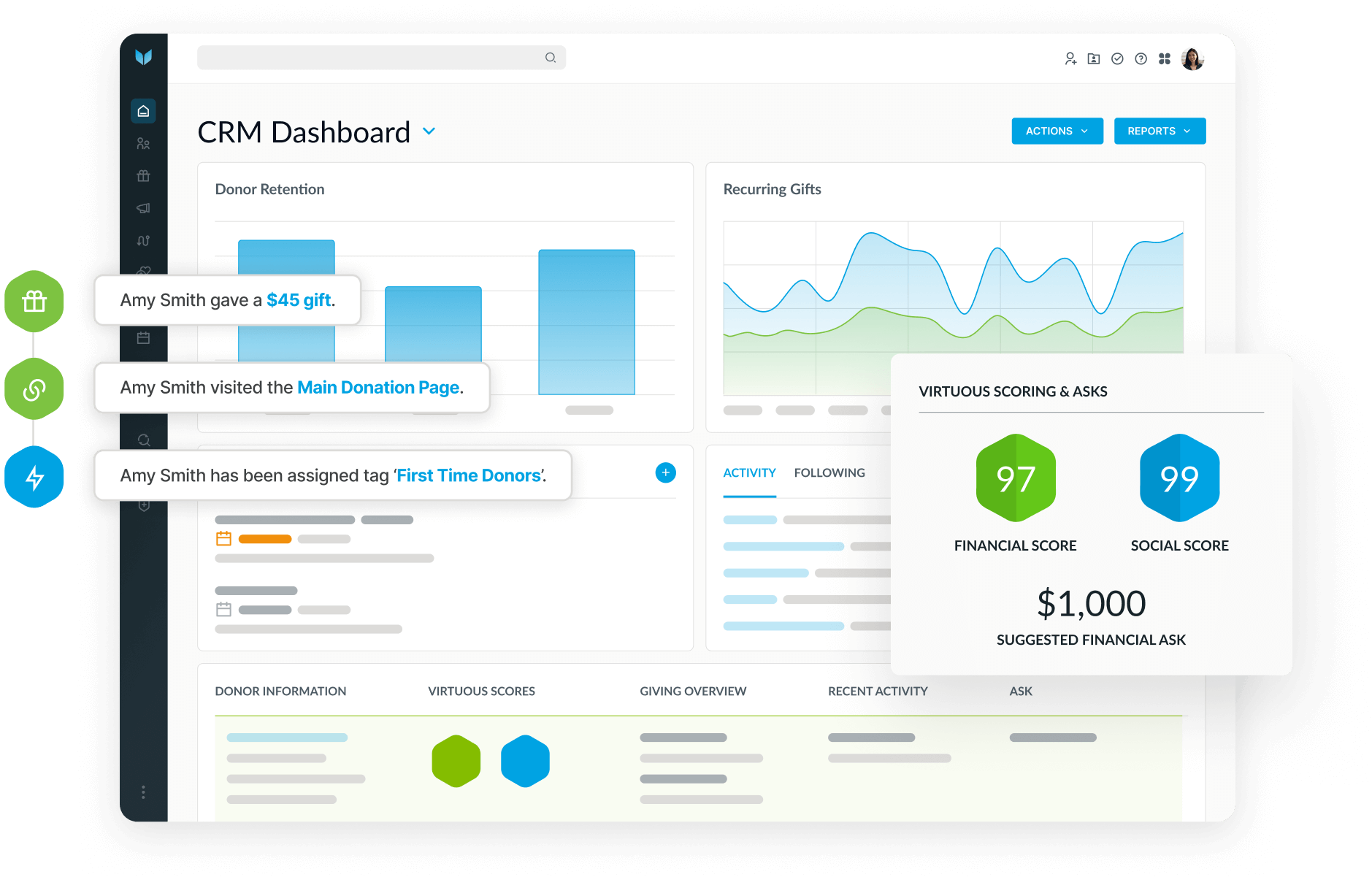
When nonprofit organizations harness the power of CRM software, the results can be transformative. By diving into real-world examples, we can discover how CRM tools have propelled nonprofits toward unprecedented success.
From enhanced donor engagement to streamlined operations, CRM software has become the backbone of many successful nonprofit strategies. Let’s delve into some inspiring case studies that demonstrate the tangible impact of CRM implementation in the nonprofit sector.
Transforming Donor Engagement
One shining example is the nonprofit organization “Hopeful Hearts,” which leveraged CRM software to revolutionize its donor engagement strategy. By integrating CRM capabilities, they were able to personalize their communication, resulting in a 30% increase in donor retention over a year.
“The CRM system has been a game-changer for us. It’s not just about managing data; it’s about building relationships.” – Sarah Johnson, Executive Director of Hopeful Hearts
Key success factors in this case included comprehensive training for staff, a tailored CRM solution that met specific organizational needs, and ongoing data analysis to continually refine engagement strategies.
Streamlining Operations for Greater Efficiency
Another compelling story comes from “Green Earth Initiative,” which faced challenges in managing volunteer schedules and tracking fundraising campaigns. By adopting a robust CRM system, they achieved a 40% reduction in administrative workload, freeing up resources to focus on their environmental mission.
The success here was attributed to selecting a CRM solution with strong integration capabilities, allowing seamless syncing with existing tools. Additionally, the organization emphasized the importance of regular system updates and feedback loops to ensure the CRM evolved with their growing needs.
Building Stronger Community Connections
The “Community Connect Network” used CRM software to strengthen its ties with local partners and members. By centralizing communication and collaboration within a CRM platform, they experienced a significant boost in community engagement and partnership initiatives.
“CRM technology has empowered us to foster deeper connections with our community and partners, leading to collaborative successes.” – James Lee, Program Director at Community Connect Network
Success factors for this case included an initial pilot program to test CRM features, comprehensive stakeholder involvement, and a commitment to using CRM analytics to inform community outreach strategies.
Future Trends in CRM for Nonprofits
As the world becomes increasingly digital, nonprofit organizations are poised to benefit from evolutions in CRM technology. With innovations on the horizon, these changes promise to transform the way nonprofits engage with supporters and manage operations.
The future of CRM for nonprofits is bright, marked by advancements in technology that will further streamline processes and enhance donor relationships. Key trends are emerging that hold the potential to revolutionize how nonprofits utilize CRM systems, making them more effective and efficient than ever before.
Harnessing AI and Machine Learning for Enhanced CRM
Artificial Intelligence (AI) and machine learning are no longer just buzzwords; they are transforming CRM functionalities. By leveraging these technologies, nonprofits can gain deeper insights into donor behavior, personalize engagement strategies, and optimize operational efficiencies. For instance, AI-driven analytics can identify patterns in donor contributions, enabling targeted outreach that maximizes fundraising efforts. This not only enhances donor satisfaction but also increases the likelihood of achieving organizational goals.
Visualizing Future Advancements in CRM
| Trend | Description | Potential Impact | Example |
|---|---|---|---|
| AI-Powered Analytics | Integration of AI to analyze data and predict donor behaviors. | Improved donor engagement and targeted fundraising efforts. | AI tools providing insights on which donors are more likely to increase contributions. |
| Automation of Routine Tasks | Use of automation to handle repetitive tasks like data entry. | Reduction in manual workload, allowing staff to focus on strategic activities. | Automated thank-you emails sent immediately after a donation is received. |
| Personalized Donor Journeys | Utilizing CRM to tailor communication based on individual donor preferences. | Enhanced donor loyalty and retention through personalized experiences. | Customizing newsletters to align with donor interests and past involvement. |
| Mobile-Optimized Platforms | Development of CRM platforms that are fully functional on mobile devices. | Increased accessibility and ease of use for nonprofit teams on the go. | Accessing CRM data and managing donor interactions via a smartphone app. |
“The integration of AI and machine learning in CRM systems is not just a trend—it’s a game-changer for nonprofits aiming to thrive in a digital era.”
Final Summary
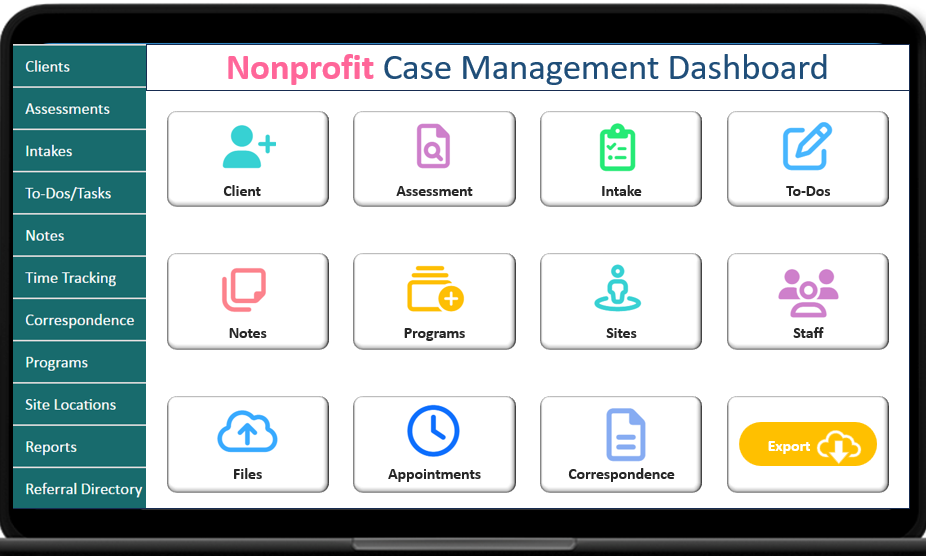
As we journey into the future, the potential of CRM software for nonprofit organizations is boundless. By harnessing cutting-edge technology, nonprofits can not only enhance their operational efficiency but also deepen their social impact. Now is the time to leap into the future and embrace CRM software as the cornerstone of your organization’s success strategy. Together, let’s create a brighter, more efficient tomorrow for the causes we cherish most.