Imagine a world where every interaction you have with a company feels personalized, attentive, and perfectly tailored to your needs. This isn’t a distant utopia—it’s the power of CRM software in action. As businesses strive to connect with their customers on a deeper level, CRM systems emerge as the unsung heroes, transforming ordinary interactions into memorable experiences that customers cherish.
In an era where customer expectations are soaring higher than ever, businesses must embrace tools that provide insights and foster relationships. CRM software not only enhances customer experiences but also acts as a catalyst for growth, loyalty, and trust. Let’s embark on a journey to explore how CRM systems are reshaping the landscape of customer interactions, one enriching experience at a time.
Understanding CRM Software
Customer Relationship Management (CRM) software is a vital tool for businesses aiming to streamline their interactions with customers. It facilitates a deeper understanding of customer needs and enhances their experience through personalized communication.
At its core, CRM software integrates various channels of customer interaction into a single platform, providing businesses with a comprehensive view of their customer base. This includes tracking customer data, managing communications, and analyzing interactions to drive informed decision-making.
The Core Components of CRM Software
A robust CRM system is composed of several key components designed to enhance customer interactions. These include contact management for storing customer information, interaction tracking for monitoring customer communications, and sales automation for managing the sales funnel. Additionally, many CRM platforms offer lead management and analytics to help businesses understand customer behavior and optimize their strategies.
How CRM Systems Operate
CRM systems function by centralizing customer data into a single database that can be accessed by various departments within a company. This enables a cohesive approach to customer service, sales, and marketing. The system automates routine tasks such as follow-up emails and customer feedback, allowing teams to focus on building stronger customer relationships.
Varieties of CRM Software
There are several types of CRM software available on the market, each catering to different business needs. These include Operational CRM which focuses on automating customer-facing processes, Analytical CRM which emphasizes data analysis for strategic insights, and Collaborative CRM that enhances inter-departmental communication.
Comparing Popular CRM Solutions
Below is a comparison of features among some of the leading CRM software solutions available today:
| CRM Software | Key Features | Best For |
|---|---|---|
| Salesforce | Comprehensive analytics, customizable dashboards, AI integration | Large enterprises |
| HubSpot | Free tier, marketing automation, user-friendly interface | SMBs (Small and Medium Businesses) |
| Zoho CRM | Multichannel support, affordable pricing, extensive customization | Budget-conscious businesses |
| Microsoft Dynamics 365 | Integration with Microsoft products, powerful AI capabilities | Microsoft ecosystem users |
“CRM software provides the framework for a customer-centric business approach, empowering organizations to deliver exceptional experiences.”
Enhancing Customer Relationships
In today’s competitive market, the strength of customer relationships often determines a business’s success. CRM software acts as the catalyst in transforming these relationships into lasting partnerships.
By leveraging CRM tools, businesses can personalize interactions, ensuring each customer feels valued and understood. This personalization is the foundation upon which enhanced customer satisfaction is built, fostering loyalty and trust.
Personalized Communication for Greater Satisfaction
Imagine receiving a message or offer that speaks directly to your needs and preferences. That’s the magic of personalized communication through CRM software. By analyzing customer data, businesses can tailor their communication strategies, delivering messages that resonate on a personal level.
“Personalization is not a trend, it’s a marketing tsunami.” – Avi Dan
This approach not only enhances satisfaction but also makes customers feel valued, increasing their likelihood of returning and recommending your services.
Role of CRM in Tracking Customer Interactions
Tracking every customer interaction might seem daunting, but CRM software makes it seamless. From initial contact to post-purchase follow-ups, every interaction is logged and analyzed. This comprehensive tracking allows businesses to understand customer journeys thoroughly, identify pain points, and enhance the overall experience.
With detailed interaction histories, customer service representatives can provide informed and personalized assistance, further solidifying relationships and building trust.
Successful CRM Implementation Examples
Below are examples of businesses that have leveraged CRM to enhance their customer relationships:
- Company A: Used CRM insights to tailor loyalty programs, resulting in a 30% increase in repeat purchases.
- Company B: Implemented CRM-driven personalized email campaigns, which improved open rates by 50%.
- Company C: Leveraged CRM to track customer service interactions, reducing resolution times by 20%.
- Company D: Adopted CRM analytics for targeted promotions, leading to a 25% increase in customer engagement.
Improving Customer Service
In today’s fast-paced environment, customers expect quick, efficient, and personalized service. CRM software has become a game-changer, empowering businesses to meet and exceed these expectations.
With CRM tools, companies can streamline customer service processes, ensuring that every interaction contributes positively to the customer experience. Let’s dive into how CRM software is transforming customer service from reactive to proactive.
Streamlining Support with Specialized CRM Tools
CRM software offers a suite of specialized tools designed to enhance customer support. Ticketing systems allow for efficient handling of customer queries, ensuring that no request goes unanswered. Moreover, integrated communication channels enable seamless interactions, whether through email, chat, or phone, all managed from a single platform. This integration ensures that customer support teams are always in sync, providing a consistent and unified service experience.
By utilizing automated workflows, support teams can route requests to the right department instantly, minimizing wait times. These tools are crafted to streamline operations, allowing businesses to focus on what truly matters: building lasting customer relationships.
Leveraging CRM Data to Enhance Response Times
CRM systems gather invaluable data from every customer interaction, painting a comprehensive picture of individual needs and preferences. This wealth of information enables support teams to anticipate issues before they escalate, offering solutions proactively and thus reducing response times.
By analyzing patterns in customer inquiries and feedback, businesses can identify common pain points and address them swiftly. This not only enhances efficiency but also empowers companies to provide tailored and effective solutions, turning potential frustrations into opportunities for delight.
Examples of Enhanced Customer Service through CRM
Companies adopting CRM systems report remarkable improvements in customer service metrics. For instance, a leading e-commerce platform saw a 30% reduction in average response time after implementing CRM-driven automated routing. Similarly, a financial services firm utilized CRM data to customize support interactions, resulting in a 25% increase in customer satisfaction scores.
Such examples illustrate the transformative impact of CRM on customer service, with businesses not just meeting but exceeding customer expectations, fostering loyalty and trust.
Data-Driven Decision Making
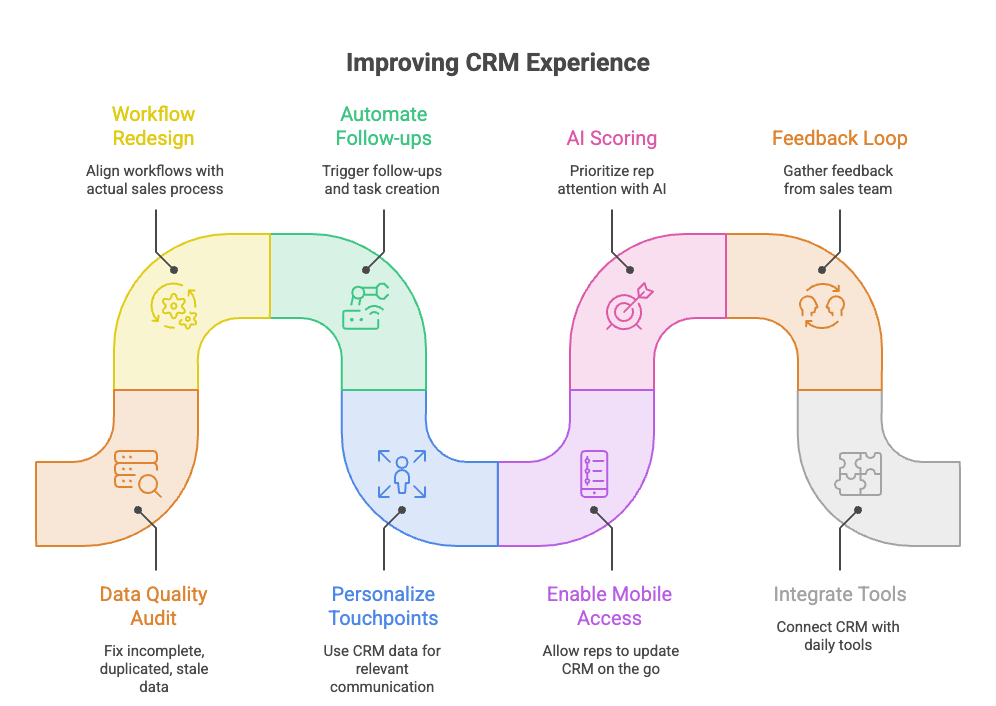
In the realm of customer relationship management, insight is power. CRM software is the key to unlocking a treasure trove of data that drives informed decision-making, ensuring businesses don’t just survive but thrive.
By leveraging CRM’s robust data analytics capabilities, businesses can transform raw data into actionable insights. This means better understanding customer behaviors, preferences, and trends, which can lead to more targeted strategies and, ultimately, improved customer satisfaction.
Methods to Analyze Customer Data Effectively
To harness the full power of CRM data, businesses should employ several strategic methods. Utilizing data segmentation allows companies to categorize customers based on specific traits, such as purchase history or engagement level. This segmentation paves the way for personalized marketing efforts that resonate with targeted audiences.
An additional method is predictive analytics. By analyzing historical data, businesses can forecast future behaviors and trends, enabling proactive strategies rather than reactive ones. Implementing real-time analytics also ensures that decisions are based on the most current data available, allowing for quick pivots when needed.
The Importance of Data Accuracy and Integration
A CRM system’s effectiveness hinges on the accuracy and integration of its data. Accurate data provides the
“single source of truth”
necessary for informed decision-making. Without it, businesses risk making decisions based on flawed assumptions.
Integration, meanwhile, ensures that data from various touchpoints flows seamlessly into the CRM, providing a comprehensive view of the customer journey. This holistic approach enables businesses to make decisions that are not only data-driven but also contextually aware.
Types of Data Collected by CRM Software
CRM software aggregates a wide array of data, each with its unique applications. Here’s a snapshot of the essential data types and their uses:
| Type of Data | Uses |
|---|---|
| Demographic Information | Personalizing communication and segmenting markets |
| Purchase History | Identifying buying patterns and opportunities for upselling |
| Customer Interactions | Improving customer service and support responses |
| Social Media Activity | Enhancing engagement strategies and brand presence |
| Feedback and Surveys | Gaining insights into customer satisfaction and areas for improvement |
Increasing Customer Retention

In the ever-competitive market, retaining existing customers is more cost-effective than acquiring new ones. CRM software offers robust tools to help businesses enhance customer retention through personalized experiences and proactive engagement.
With advanced features and analytics, CRM systems enable businesses to understand customer behavior and preferences, allowing them to design strategies that keep customers coming back.
Utilizing CRM Features for Predicting Customer Churn
One powerful way CRM software aids in customer retention is through its ability to predict customer churn. By analyzing historical data and customer interactions, CRM systems can identify patterns and red flags that suggest a customer might leave.
- CRM systems track customer interactions and purchase history to highlight declining engagement.
- With predictive analytics, businesses can intervene before it’s too late, reaching out with targeted offers or support.
- Automated alerts in CRM notify teams of at-risk customers, allowing for timely interventions.
Executing Retention Campaigns with CRM
CRM software shines in its ability to orchestrate retention campaigns efficiently. From segmentation to execution, CRM systems manage every aspect seamlessly.
“A well-executed retention campaign can transform customer satisfaction into brand loyalty.”
Consider a scenario with a retail business: using CRM, they segmented their customer base to identify loyal customers who haven’t made a purchase in a while. A personalized email campaign offering exclusive discounts was launched, resulting in a 25% increase in returning customers within three months.
The Role of CRM in Building Customer Loyalty and Trust
CRM systems are instrumental in fostering customer loyalty and trust. By maintaining detailed customer profiles, businesses can deliver personalized experiences that resonate with individual preferences.
- Personalized communication, facilitated by CRM, makes customers feel valued and understood.
- By consistently meeting customer needs, businesses build trust, encouraging customers to stick around.
- CRM’s ability to store customer feedback and preferences helps tailor future offerings, enhancing loyalty.
Maximizing Sales and Marketing Efficiency
In the rapidly evolving landscape of business, ensuring that your sales and marketing strategies are both efficient and effective is crucial. CRM software serves as a powerful ally in this mission, enhancing every step of the customer journey with precision and insight.
By leveraging CRM data, businesses can unlock a treasure trove of opportunities to optimize their sales and marketing efforts. The ability to analyze customer interactions and feedback in real-time empowers teams to make informed decisions, tailor strategies, and ultimately drive growth.
Leveraging CRM Data to Optimize Sales Strategies
With CRM software, sales teams are equipped to perform data-driven prospecting, ensuring that every lead is nurtured to its full potential. CRM platforms provide tools such as lead scoring and segmentation, allowing sales professionals to focus on high-value prospects.
- Customizable sales pipelines for tracking opportunities
- Automated reminders for timely follow-ups
- Detailed reporting on sales performance trends
CRM Software Aids in Targeted Marketing Campaigns
Gone are the days of one-size-fits-all marketing. CRM systems enable targeted and personalized marketing campaigns that resonate with individual customer segments. By analyzing customer preferences and behaviors, marketers can craft messages that hit the mark.
- Segmentation and targeting based on demographic data
- Personalized email campaigns with tailored content
- Social media integrations for expanded reach
Sample CRM Dashboard Layout for Monitoring Sales Performance
Visualizing performance metrics is key to understanding and enhancing sales processes. A well-designed CRM dashboard offers an at-a-glance view of crucial data points.
| Metric | Dashboard Element |
|---|---|
| Sales Revenue | Bar Graph |
| Lead Conversion Rate | Line Chart |
| Customer Acquisition Cost | Pie Chart |
Synergy Between CRM Systems and Marketing Automation Tools
The integration of CRM systems with marketing automation tools creates a synergistic powerhouse that streamlines marketing efforts and boosts ROI. Automating repetitive tasks allows marketing teams to focus on strategy and creativity.
“The harmony between CRM and marketing automation is what transforms a simple campaign into a dynamic customer experience.”
- Automated lead nurturing workflows
- Real-time analytics and reporting
- Seamless CRM-data integration for enriched customer profiles
Final Summary

In conclusion, CRM software is more than just a tool—it’s a strategic partner in crafting exceptional customer experiences. By leveraging its capabilities, businesses can build stronger relationships, make informed decisions, and ultimately, elevate their service to new heights. Embrace CRM, and watch as your customer experiences transform into lasting impressions that keep them coming back for more.