In the fast-paced world of sales, efficiency is the name of the game. Imagine transforming leads into loyal customers at lightning speed, all while nurturing relationships that last. This is where CRM software steps in, a powerhouse tool that’s rewriting the rules of sales engagement. From tracking customer interactions to automating mundane tasks, CRM software is revolutionizing the way businesses close deals and build connections.
Picture this: a system that not only organizes every vital piece of customer information but also anticipates sales opportunities before they even arise. CRM software isn’t just a tool; it’s your strategic partner in crafting seamless customer journeys and boosting sales performance. Get ready to dive into a world where technology meets creativity, unlocking new levels of success for your sales team.
Understanding CRM Software
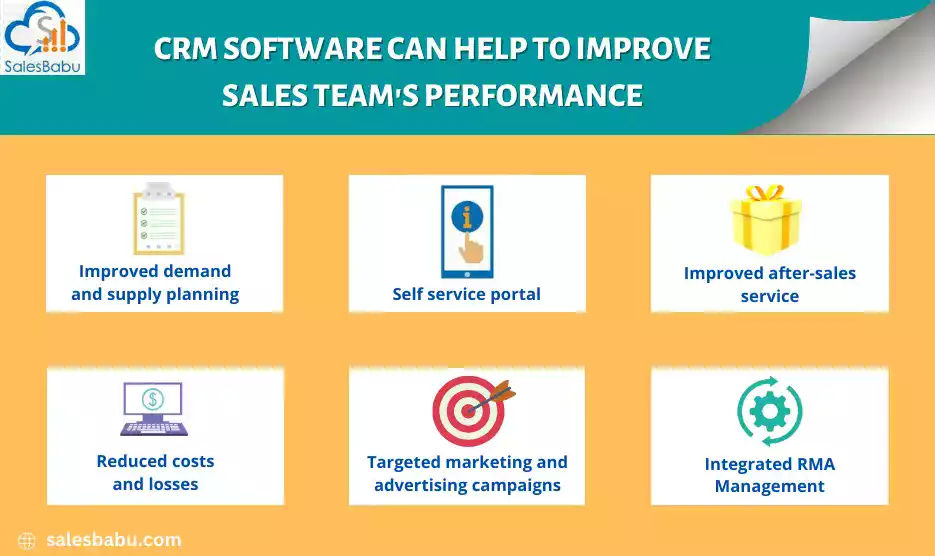
In today’s fast-paced business environment, CRM software stands as a cornerstone for sales efficiency and customer relationship management. It’s not just a tool; it’s a strategy that transforms data into insights, leading to better customer interactions.
At its core, CRM software is designed to streamline processes and foster customer relationships. From tracking customer interactions to managing sales pipelines, CRM systems are indispensable in modern sales strategies.
Core Components of CRM Software
CRM software is built upon several key components that collectively drive its functionality. First, the contact management feature allows businesses to store customer information securely, ensuring easy access and retrieval. Secondly, sales automation helps in managing sales cycles by automating repetitive tasks, thereby enhancing productivity. Additionally, CRM analytics offer insights through data visualization, enabling sales teams to track performance and predict future trends effectively.
The Evolution of CRM Systems
The journey of CRM software began in the late 1980s and has evolved significantly since then. Initially, CRM systems were simple customer databases. However, with technological advancements, they have transformed into complex systems offering a plethora of features such as automation, analytics, and multi-channel communication. This evolution reflects the growing demand for more intuitive and integrated solutions that cater to the dynamic needs of businesses.
Types of CRM Solutions
In today’s market, businesses can choose from a variety of CRM solutions, each tailored to specific needs. Broadly, CRMs are categorized into three types: Operational, Analytical, and Collaborative. Operational CRMs focus on streamlining business processes. In contrast, Analytical CRMs emphasize analyzing customer data for strategic insights. Collaborative CRMs facilitate communication across various departments, ensuring a seamless flow of information.
“CRM software is not just a tool; it’s an essential partner in optimizing sales efforts and enhancing customer relationships in any modern business.”
Enhancing Sales Efficiency with CRM
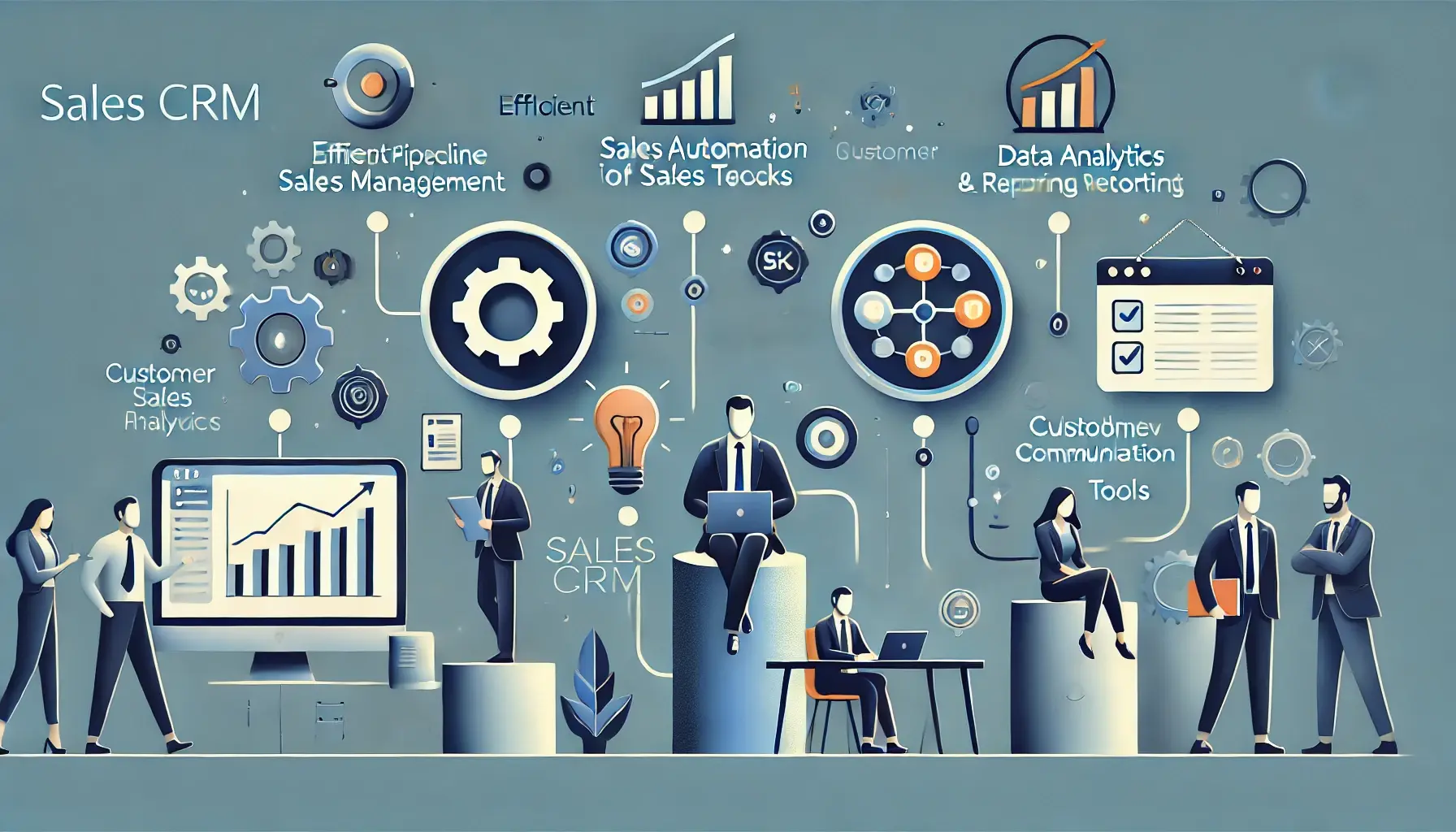
In the fast-paced world of sales, efficiency is the key to success. Customer Relationship Management (CRM) software stands at the forefront, simplifying processes and maximizing productivity.
By leveraging the power of CRM tools, sales teams can streamline operations, enhance customer interactions, and ultimately close deals faster. Let’s explore how CRMs can be transformative in boosting sales efficiency.
CRM Tools that Revolutionize Sales Processes
CRM software offers an array of tools designed to enhance sales workflows. With features like automated follow-ups and lead scoring, sales representatives can prioritize tasks efficiently and focus on high-value prospects. Tools such as Salesforce and HubSpot are renowned for their ability to integrate with other platforms, providing a seamless sales experience.
- Salesforce: Known for its robust automation features that save time on repetitive tasks.
- HubSpot: Offers a powerful CRM with integrated marketing tools to nurture leads effectively.
- Zoho CRM: Provides customizable dashboards to track sales performance in real-time.
Streamlining Sales Tasks with CRM
CRM systems streamline sales tasks through workflow automation and task management. These tools allow sales teams to move leads through the pipeline without manual intervention. For instance, automatic email sequences can keep prospects engaged, while task reminders ensure that no opportunity is missed. Automation reduces administrative burden, allowing salespeople to dedicate more time to customer relationships.
Leveraging CRM Analytics to Shape Sales Strategies
With CRM analytics, sales teams can gain valuable insights into customer behavior and sales trends. This data-driven approach helps in crafting strategies that are more aligned with customer needs and market demands. Analytics dashboards provide sales managers with the ability to monitor team performance and adjust tactics proactively.
Informed decisions lead to more effective sales strategies, ultimately driving higher revenue.
| CRM Feature | Impact on Sales Efficiency |
|---|---|
| Automated Follow-Ups | Ensures consistent communication without manual effort, accelerating the sales cycle. |
| Lead Scoring | Helps prioritize leads based on potential, optimizing focus on high-probability deals. |
| Analytics Dashboards | Offers real-time insights for strategic decision-making and performance tracking. |
| Integration Capabilities | Enables seamless operations across different platforms, enhancing overall efficiency. |
Integration of CRM with Other Systems
Imagine a world where every facet of your business communicates seamlessly; this is the promise of integrating CRM with other business systems. By linking CRM software with various applications, businesses can achieve unprecedented efficiency and insight.
Integrating CRM with other systems not only enhances data accuracy but also creates a unified platform for decision-making. This integration enables businesses to break free from data silos, fostering a cohesive environment where information flows freely and productivity soars.
Benefits of Integrating CRM with Business Applications
The integration of CRM with other applications brings numerous advantages. Most notably, it allows businesses to streamline operations and improve customer experiences by consolidating data and processes. Here are some of the key benefits:
- Enhanced data accuracy and consistency across platforms.
- Improved customer insights leading to better decision-making.
- Automation of routine tasks, freeing up time for strategic initiatives.
- Scalability and flexibility through a centralized information hub.
When CRM systems are integrated, they become the heartbeat of an organization’s operations, driving efficiency and innovation.
Popular Systems to Integrate with CRM Software
Integrating your CRM with other systems can unlock a wealth of opportunities. Here is a list of popular systems that can enhance your CRM experience:
- ERP Systems: For real-time financial and operational insights.
- Email Marketing Platforms: To streamline communication and track customer interactions.
- E-commerce Solutions: For a seamless sales process from lead generation to purchase.
- Social Media Management Tools: To track and engage with customer sentiments and trends.
- Customer Support Platforms: To enhance service quality and response times.
Each integration brings a new layer of functionality to your CRM, allowing your team to work smarter, not harder.
Challenges in CRM Integration and Proposed Solutions
Integrating CRM with other systems is not without its challenges. Organizations may face issues such as data compatibility, system overload, and technical glitches. Here are some potential challenges and proposed solutions:
| Challenge | Proposed Solution |
|---|---|
| Data Compatibility | Implement data standardization protocols. |
| System Overload | Ensure infrastructure scalability and robust architecture design. |
| Technical Glitches | Conduct thorough testing and employ skilled IT personnel. |
“Integration is not just about connecting systems; it’s about connecting people, processes, and possibilities.”
Setting Up Integration between CRM and an ERP System
Integrating a CRM system with an ERP system can seem daunting, but with the right approach, it can be accomplished efficiently. Here’s a step-by-step guide:
- Conduct a needs assessment to identify integration requirements.
- Select compatible CRM and ERP systems that support integration.
- Develop a detailed integration plan, outlining objectives and timelines.
- Utilize middleware tools or APIs to facilitate data exchange.
- Test the integration thoroughly to ensure seamless data flow.
- Train staff to leverage the integrated system effectively.
The synergy created by integrating CRM with ERP transforms how businesses operate, aligning strategic goals with daily operations.
Customization and Personalization in CRM

Why settle for a one-size-fits-all approach when your business is as unique as a snowflake? Customization in CRM software bridges the gap between generic solutions and your specific needs, turning an average tool into a powerhouse for sales efficiency.
Customization empowers businesses to mold CRM systems into something tailor-made for their operations. This adaptability not only enhances usability but also aligns the software with the intricate details of your sales processes.
Designing a Personalized CRM Dashboard
Imagine a dashboard that knows your every need—this is the promise of personalization within CRM. A well-designed CRM dashboard acts like your personal assistant, providing a clear snapshot of sales activities and metrics at a glance. By customizing dashboard widgets and layouts, you create a visual space that speaks directly to your sales goals and challenges.
For instance, you can prioritize real-time sales data by featuring top-performing products, set alerts for sales targets, or even display customer feedback to better tailor your strategies. Customization transforms the dashboard from a static interface into a dynamic decision-making tool.
Tailoring CRM Features to Business Needs
Customization isn’t just about appearance—it extends to the core functionalities of your CRM. Tailoring CRM features ensures that every component works in harmony with your business strategy. From modifying sales pipelines to aligning communication workflows, the possibilities are endless.
You can incorporate custom fields that capture data unique to your industry, automate routine tasks to free up valuable time, or integrate third-party applications that enhance functionality.
“Customization is the art of making CRM software feel like it was built just for you.”
Let’s take a closer look at some of the customizable elements you can use to supercharge your CRM experience:
| Element | Description | Example |
|---|---|---|
| Custom Fields | Fields added to record unique data specific to your business. | Tracking customer preferences or industry-specific data points. |
| Automated Workflows | Define rules and actions that are triggered automatically. | Sending follow-up emails after a lead interaction. |
| Dashboard Widgets | Interactive elements that offer visual insights. | Sales funnel visualization or performance metrics. |
| Third-party Integrations | Connect with external tools for expanded capabilities. | Integrating with accounting software for financial tracking. |
Impact of CRM on Customer Relationship Management

In the bustling world of business, maintaining solid customer relationships is akin to holding the golden key to success. CRM software acts as the bridge between companies and their customers, nurturing connections that drive loyalty and satisfaction.
By systematically organizing customer information and interactions, CRM software empowers businesses to understand and engage with their audience more profoundly. This is not just about managing data—it’s about transforming it into meaningful insights that fuel growth and retention.
Building Stronger Customer Relationships
CRM systems are transformative tools that help businesses forge deeper connections with their customers. With features designed to capture every customer interaction, from initial inquiries to post-purchase support, CRM software creates a comprehensive view of customer journeys. This data-driven approach enhances communication and personalizes interactions, making customers feel valued and understood.
Companies can leverage CRM data to tailor their messaging and offerings, resulting in a more personalized customer experience.
“A personalized experience isn’t just a nice-to-have; it’s a must-have in today’s competitive market.”
Enhanced personalization not only boosts customer satisfaction but also encourages repeat business and referrals.
Leveraging CRM Data for Customer Engagement
Effective engagement hinges on understanding customer preferences and behaviors. CRM software provides the analytics tools necessary to dissect customer data and identify trends and patterns. These insights empower businesses to craft targeted marketing campaigns and proactive customer service strategies that resonate with their audience.
- Utilize CRM analytics to segment customers based on behavior and preferences.
- Automate personalized communication through CRM-triggered emails and messages.
- Monitor engagement metrics to continually refine customer interaction strategies.
By employing these strategies, companies can create meaningful and lasting engagements that drive brand loyalty.
Impact on Customer Satisfaction and Loyalty
Customer satisfaction and loyalty are unequivocally linked to the quality of service and the personalization of experiences. CRM systems empower businesses to elevate both by ensuring that no customer interaction falls through the cracks. With CRM, businesses can proactively address potential issues, gather feedback, and implement improvements swiftly.
The impact is clear: happy customers are more likely to stay loyal, purchase more frequently, and recommend the business to others. A comprehensive CRM strategy turns satisfied customers into brand advocates, amplifying the positive effects across the customer base.
Case Studies of Successful CRM Implementation
Real-world examples underscore the transformative power of CRM systems. Consider an e-commerce company that implemented CRM to streamline its customer service processes. By integrating customer data across all touchpoints, the company reduced response times by 50% and increased customer satisfaction scores by 30% within six months.
Another compelling case is a telecommunications giant that used CRM analytics to tailor its product offerings. By understanding customer usage patterns, they launched personalized plans that resulted in a 20% increase in customer retention and a significant boost in market share.
These case studies illuminate the tangible benefits of CRM software, showcasing its potential to revolutionize customer relationship management across various industries.
Future Trends in CRM Software

As we stand at the cusp of a digital transformation, CRM software is poised to evolve dramatically, embracing cutting-edge technologies that promise to redefine sales efficiency. The future beckons with innovations that not only enhance functionality but also revolutionize the way businesses interact with their customers.
Let’s delve into the emerging trends that are setting the stage for a new era in CRM technology.
The Rise of Artificial Intelligence in CRM
Artificial Intelligence is not just a buzzword; it is the driving force behind the next generation of CRM systems. AI-powered CRM tools are set to transform data management, customer insights, and predictive analytics. Imagine a CRM that anticipates a customer’s needs before they even arise, offering personalized solutions and automated responses that feel authentic and engaging. This level of intelligent automation will streamline processes, reduce costs, and enhance customer satisfaction in unprecedented ways.
Comparative Look: Current vs. Future CRM Capabilities
Current CRM systems offer robust solutions for managing customer relationships, but the future holds the promise of a more integrated and intuitive experience.
| Current Capabilities | Future Developments |
|---|---|
| Basic Automation | Advanced AI-driven Automation |
| Data Analysis | Real-time Predictive Insights |
| Manual Integration | Seamless Multi-platform Integrations |
With advancements in technology, CRM platforms are expected to overcome the limitations of manual processes and disparate data systems, paving the way for more cohesive and responsive environments.
Visionary Roadmap for CRM Evolution
The next decade will witness a transformation in CRM software, with a visionary roadmap focusing on hyper-personalization, omnichannel presence, and enhanced user experiences. Companies will harness the power of CRM to create a single, 360-degree view of the customer, accessible in real-time across all customer touchpoints.
“CRM systems will no longer be just about managing relationships; they will be central to orchestrating connected and meaningful experiences.”
The future promises a CRM landscape that is as dynamic and adaptable as the businesses it serves, ensuring every interaction is as impactful as possible.
Final Thoughts

As we stand on the brink of a new era in sales, the question isn’t whether CRM software can improve sales efficiency; it’s how quickly you can harness its power. With the right CRM system, you can transform your sales team into a well-oiled machine, ready to tackle any challenge and seize every opportunity. Embrace the future of sales with CRM technology, and watch as it paves the way for unparalleled growth and customer satisfaction.