Imagine a world where your business operations are seamlessly connected, empowering your team to focus on what truly matters: building relationships and driving growth. This utopia isn’t far-fetched; it’s achievable with the magic of CRM software integration with existing tools. By weaving together disparate systems, your business can unlock a new realm of productivity and insight.
But why is this integration so crucial? As the backbone of modern business, CRM systems, when integrated with tools like email marketing platforms, create a cohesive ecosystem that streamlines processes and enhances efficiency. Dive into the world of CRM integrations and discover the secret sauce to transforming your business operations.
Importance of CRM Software Integration
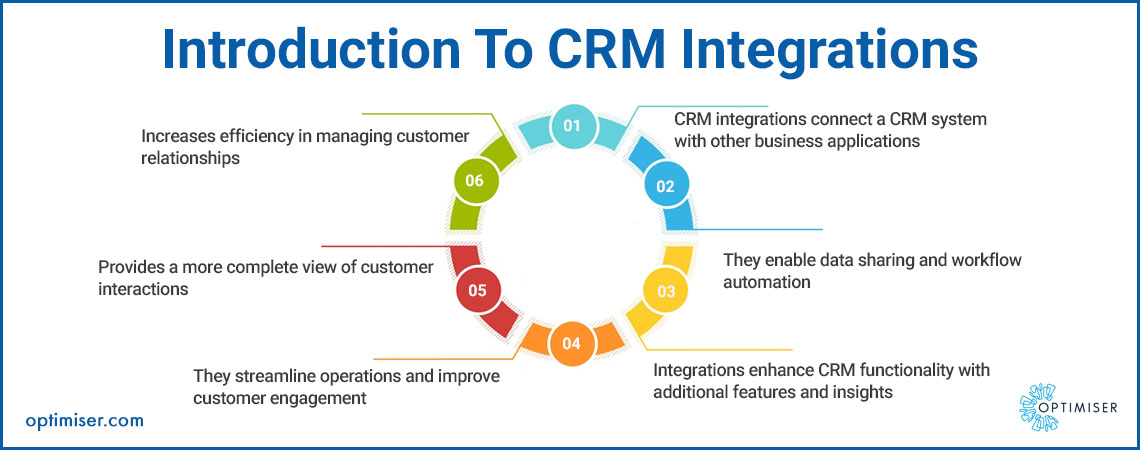
In the dynamic world of digital business, integrating CRM software with your existing tools is no longer a luxury—it’s a necessity. This seamless connection can transform the way your organization operates, driving innovation and efficiency.
By marrying CRM software with other tools, businesses can streamline operations and maintain a holistic view of customer interactions. This integration not only centralizes data but also elevates customer experiences by fostering a more personalized approach.
Maximizing Efficiency and Productivity
Integrating CRM software with existing tools can dramatically boost productivity and streamline operations. When properly connected, data flows effortlessly, reducing the need for manual entry and minimizing errors. This allows your team to focus on what truly matters—building relationships and closing deals.
Consider the time saved when your CRM syncs with email platforms, calendars, and communication apps. Your sales team can schedule follow-ups seamlessly, track customer interactions in real-time, and never miss a beat. This integration translates into both time and financial savings, allowing businesses to allocate resources more effectively.
Overcoming Integration Challenges
While the benefits are clear, integrating CRM software with existing tools presents its own set of challenges. Compatibility issues, data migration, and user adoption can all pose significant hurdles. However, these can be effectively managed with a strategic approach.
- Conduct a thorough assessment of your current systems to identify potential compatibility issues.
- Invest in training programs to ensure user adoption and ease the transition.
- Engage with CRM vendors who offer robust support and consultancy services.
Common Tools Integrated with CRM Software

In the dynamic world of customer relationship management, the blend of CRM software with other tools is like a symphony of efficiency. Businesses are increasingly harnessing this integration to streamline operations and enhance customer experiences.
CRM software acts as the central hub, harmonizing various operational tools to create a seamless workflow. But what are these magical integrations that turbocharge CRM capabilities? Let’s delve into the common tools that seamlessly integrate with CRM systems, transforming business operations from ordinary to extraordinary.
Popular Integrations with Email Marketing Platforms
One of the most critical integrations for any CRM software is with email marketing platforms. This combination not only enhances communication but also empowers personalized marketing strategies. By integrating CRM with email marketing tools, businesses can automate and personalize their communication, ensuring that the right message reaches the right audience at the right time.
Methods of integration vary, from API connections to third-party connectors, allowing for seamless data flow and ensuring that customer interactions are always up-to-date. Imagine the power of having customer purchase history, preferences, and engagement tracked and utilized to create targeted email campaigns. This is the magic of CRM-email marketing integration.
CRM Software and Their Compatible Tools
To better understand the landscape of CRM software integration, let’s explore a table that illustrates examples of CRM systems, their compatible tools, the types of integration, and the benefits they offer.
| CRM Software | Compatible Tool | Integration Type | Benefits |
|---|---|---|---|
| Salesforce | Mailchimp | API Integration |
|
| HubSpot | Slack | Third-Party Connector |
|
| Zoho CRM | Google Workspace | Native Integration |
|
| Microsoft Dynamics | Power BI | Embedded Integration |
|
| Pipedrive | Trello | API Integration |
|
Steps to Successfully Integrate CRM Software
Integrating CRM software with your existing tools is a critical step towards achieving seamless operations and boosting productivity. By following a structured approach, businesses can ensure that their CRM integration is both efficient and sustainable.
This guide will walk you through the essential steps, from initial setup to long-term maintenance, ensuring your CRM becomes a well-oiled machine within your tech ecosystem.
Mapping Out the Integration Process
Before diving into the technicalities, it’s crucial to draft a clear plan. Start by identifying which tools need to be integrated with your CRM. Prioritize based on business requirements and impact. Mark milestones and deadlines, and allocate resources accordingly. This foundational step will pave the way for a smoother implementation.
Setting Up Data Synchronization
Establishing data synchronization between your CRM and other tools is at the heart of integration. Ensure that data flows bi-directionally to maintain consistency across platforms. Use APIs or middleware to facilitate seamless data exchange. Regularly audit data integrity and set up automatic alerts for anomalies to keep data synchronization robust and reliable.
Best Practices for Maintaining Integration
To maintain a successful CRM integration, consistency and vigilance are key. Regularly update both your CRM software and the integrated tools to avoid compatibility issues. Monitor the integration’s performance through analytics. Leverage automation to reduce manual errors and streamline processes. Keep an open channel of communication with your tech team to quickly address any issues that arise, ensuring that your integration continues to operate smoothly.
Customization and Scalability in CRM Integration

The magic of CRM software lies not just in its inherent features but in its ability to mold to your business needs and grow alongside your company. Let’s delve into the intricacies of customizing CRM systems and scaling them to unprecedented heights.
As businesses evolve, so do their requirements. A one-size-fits-all solution just won’t cut it in today’s dynamic environment. Customization and scalability in CRM integration are two pivotal factors that determine how well a CRM system can serve your unique business needs and adapt as those needs grow.
Unleashing the Power of Customization in CRM Systems
Customization is all about tailoring the CRM to meet specific business processes, strategies, and goals. With the right CRM, you can adjust workflows, automate tasks, and even design personalized dashboards that provide meaningful insights at a glance. This flexibility ensures that the CRM isn’t just a tool but a strategic partner in your organization’s growth journey.
- Personalized dashboards that offer targeted insights.
- Automated workflows to enhance efficiency.
- Customization of data fields to capture relevant information.
- Integration of third-party applications to expand functionality.
Scalability: Growing with Your Business
The ability of a CRM platform to handle increased loads of data and users is crucial for a growing business. Scalability ensures that as your company expands, your CRM system can expand with it without compromising on performance or efficiency.
When evaluating scalability, consider factors such as the platform’s capacity to manage a growing number of customer interactions, its ability to accommodate more users, and the ease with which new features can be added. A scalable CRM can seamlessly transition from a small business tool to a robust enterprise solution.
“Your CRM should be as dynamic as your business aspirations.”
Comparison of Customization Features Across CRM Platforms
To assist you in selecting the best CRM platform for your business, here is a comparative table highlighting various customization options and their scalability.
| CRM Platform | Customization Options | Scalability | Use Cases |
|---|---|---|---|
| Salesforce | Extensive with custom objects, fields, and automation rules | Highly scalable with cloud-based architecture | Suitable for enterprises requiring complex solutions |
| HubSpot | Intuitive with drag-and-drop customizations | Scalable for mid-sized to large businesses | Ideal for marketing-centric organizations |
| Zoho CRM | Strong with APIs and custom modules | Scalable with modular upgrades | Perfect for businesses seeking a cost-effective solution |
| Microsoft Dynamics | Comprehensive with integration to other Microsoft services | Exceptionally scalable with enterprise-level support | Best for organizations already using Microsoft products |
Security and Compliance Considerations

In the rapidly evolving digital landscape, integrating your CRM software with existing tools necessitates thorough attention to security and compliance. These aren’t just buzzwords; they are crucial elements that can either propel or derail your business’s success.
As companies strive for seamless data flow, ensuring the integrity and privacy of customer data becomes paramount. Let’s delve into the security measures and compliance requirements that safeguard your CRM integrations.
Robust Security Measures in CRM Integration
To protect sensitive customer information, CRM software integration must incorporate advanced security protocols such as encryption, two-factor authentication, and regular security audits. Encryption acts as the first line of defense, scrambling data to make it unreadable to unauthorized users. Two-factor authentication adds an extra layer of security by requiring two types of credentials before granting access.
- Use of SSL/TLS protocols to secure data transmission.
- Regular security audits to identify and rectify vulnerabilities.
- Implementation of firewalls and intrusion detection/prevention systems.
Remember, even the most sophisticated systems are vulnerable without regular updates and patches. Stay proactive to stay protected.
Compliance Requirements for CRM and Tool Integration
Integrating CRM with other tools involves navigating a labyrinth of regulatory requirements such as GDPR, CCPA, and HIPAA. Non-compliance can lead to hefty fines and damage to reputation. Companies must ensure that they adhere to these regulations to protect their customers’ rights and their own brand integrity.
| Regulation | Key Requirement | Impact |
|---|---|---|
| GDPR | Data protection and privacy in the EU | Hefty fines for non-compliance |
| CCPA | Consumer rights over personal data in California | Potential legal action |
| HIPAA | Protection of health information | Security breaches entail legal liabilities |
Adhering to these regulations not only keeps you compliant but also builds trust with your customers.
The Impact of Data Security on CRM Integrations
Data security is the cornerstone of successful CRM integrations. Breaches can lead to significant financial losses and a tarnished brand reputation. Conversely, robust security fosters trust and loyalty among customers and partners.
“A secure CRM integration is not just an option; it’s a necessity for sustainable business growth.”
Secure integrations ensure seamless operations, minimize disruptions, and enhance customer satisfaction. By prioritizing data security, businesses can mitigate risks and capitalize on the full potential of their CRM systems.
Future Trends in CRM Software Integration

As technology rapidly evolves, CRM software integration is set to redefine how businesses operate and interact with their data. The future is not just about connecting systems but creating a seamless ecosystem that anticipates needs and enhances productivity.
With emerging technologies such as artificial intelligence, machine learning, and the Internet of Things (IoT), CRM integrations will become smarter and more intuitive. These advancements promise not only to improve operational efficiency but also to offer deeper insights and a more personalized customer experience.
AI-Powered CRM Integrations
The integration of AI with CRM tools is revolutionizing customer relationship management. AI can analyze patterns and predict customer behavior, automatically segmenting audiences and optimizing engagement strategies. Imagine a world where your CRM system can suggest the best time to contact a lead or automatically draft emails based on customer sentiment analysis. With AI-driven recommendations, businesses can transform data into actionable insights, enhancing both sales and customer service outcomes.
IoT and CRM: A Connected Future
The Internet of Things is poised to play a significant role in CRM integrations, as connected devices generate a wealth of data that can enrich customer profiles. By incorporating IoT data into CRM systems, businesses can gain a real-time understanding of customer interactions with their products. This not only helps in proactive maintenance and support but also in creating highly customized customer experiences that anticipate needs before they even arise.
Enhanced Security Protocols
As more tools integrate with CRM systems, the need for robust security measures becomes paramount. Future CRM integrations will leverage blockchain technology and advanced encryption methods to ensure data integrity and prevent unauthorized access. Security and compliance will no longer be an afterthought, but a core component of the integration process, assuring businesses and customers alike of the safety and privacy of their data.
Customization and Scalability Beyond Limits
Future CRM systems will offer unprecedented levels of customization and scalability, allowing businesses to tailor their CRM experience to specific industry needs. Through modular architectures and extensive API libraries, companies will be able to integrate niche tools and develop custom solutions rapidly. This flexibility will facilitate growth, enabling CRM systems to expand alongside the business, adapting to new challenges and opportunities without the need for a complete overhaul.
Final Summary

In a rapidly evolving digital landscape, staying ahead means embracing innovations like CRM software integration. By tackling challenges head-on and leveraging cutting-edge trends, businesses can secure a competitive edge. The future promises exciting developments in CRM integration technologies, setting the stage for unparalleled efficiency and growth. Harness the power of integration today and watch your business soar to new heights.