Imagine tapping into a wellspring of knowledge that can propel your business to new heights. That’s precisely what CRM software that supports customer feedback offers. In today’s competitive landscape, understanding your customers’ needs and desires isn’t just beneficial—it’s essential. By leveraging CRM systems that effectively integrate real-time feedback, businesses can make informed decisions, enhance customer satisfaction, and ultimately drive growth.
Picture this: a seamless fusion of customer insights and business strategy, all thanks to cutting-edge CRM software. By embracing this powerful tool, companies not only streamline their operations but also build stronger, more meaningful connections with their customers. Let’s dive into the world of CRM software and discover how it can revolutionize the way you engage with your audience.
Introduction to CRM Software with Customer Feedback

In today’s fast-paced business world, understanding and integrating customer feedback into CRM software has become crucial. Not only does it enhance customer satisfaction, but it also drives business growth by aligning services with customer needs.
Customer feedback acts as a bridge between businesses and their consumers, offering valuable insights that can be directly integrated into CRM systems. This integration allows companies to fine-tune their strategies, improve customer service, and ultimately, foster a more loyal customer base.
The Significance of Customer Feedback in CRM Systems
Customer feedback is not just mere data; it is the lifeline of effective CRM strategies. By incorporating real-time feedback into CRM software, businesses can react swiftly to customer needs, thus enhancing customer experience. For example, Zoho CRM and Salesforce have effectively integrated feedback loops that allow for instant adjustments to customer interactions, ensuring that businesses remain in tune with their clientele.
Real-time customer feedback enables CRM systems to adapt and evolve, offering personalized experiences that meet individual customer expectations. This dynamic interaction not only improves customer satisfaction but also boosts retention rates, driving long-term business success.
Features of CRM Software for Customer Feedback
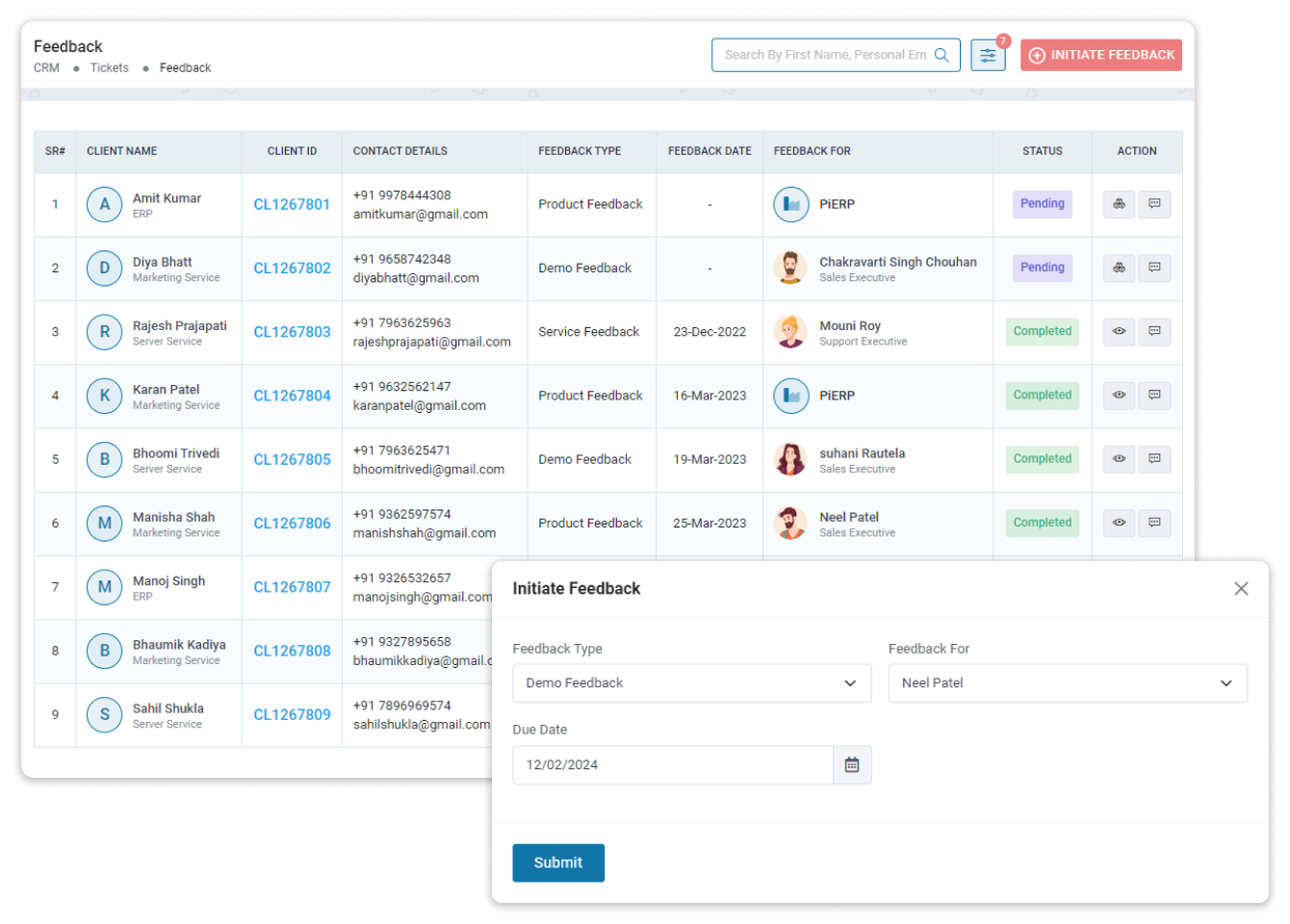
In the dynamic landscape of customer relationship management, the ability to harness and leverage customer feedback is critical. CRM software has evolved significantly to support this need, providing businesses with the insights required to enhance customer satisfaction and loyalty.
With a focus on collecting and analyzing feedback, CRM systems offer a suite of features designed to capture the voice of the customer and turn it into actionable insights. These features are crucial in helping businesses understand their customers’ needs and expectations.
Key Features Supporting Customer Feedback
The integration of customer feedback features in CRM systems transforms raw data into a powerful tool for strategic decision-making. Such features often include direct feedback channels, automated survey tools, and sentiment analysis capabilities. By utilizing these tools, businesses can efficiently gather and interpret feedback, leading to improved service delivery and enhanced product offerings.
- Multi-Channel Feedback Collection: Allow customers to provide feedback through email, social media, or in-app messages, ensuring flexibility and convenience.
- Automated Surveys: Deploy timely surveys post-interactions to capture immediate customer insights.
- Sentiment Analysis: Use natural language processing to gauge customer sentiments from reviews, providing a deeper understanding of customer emotions.
Methods for Collecting and Analyzing Customer Feedback
CRM systems offer robust methods for collecting and analyzing customer feedback. By utilizing a mix of qualitative and quantitative data, businesses can gain a comprehensive view of customer perceptions and preferences.
Typical methods include:
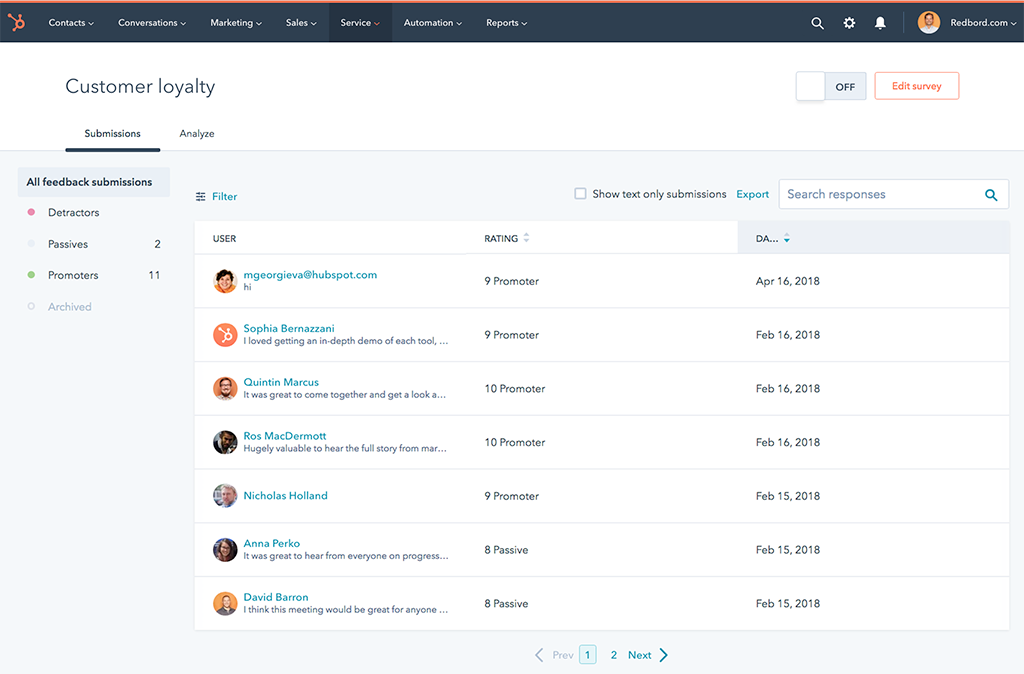
- Net Promoter Score (NPS): A simple yet powerful tool to measure customer loyalty and likelihood of referral.
- Customer Satisfaction (CSAT) Surveys: Short surveys that focus on specific customer interactions to gather immediate feedback.
- Customer Effort Score (CES): Evaluate the ease of customer interaction with your services, aiming to minimize customer effort.
Comparing CRM Software for Customer Feedback
The choice of CRM software can significantly impact how effectively customer feedback is managed. Here’s a comparison of some prominent CRM solutions:
| Feature Name | Description | Benefit | Example Software |
|---|---|---|---|
| Multi-Channel Feedback | Collect feedback from various platforms seamlessly. | Increases feedback volume and diversity. | Zoho CRM |
| Automated Surveys | Schedule and send surveys automatically after key events. | Ensures timely and relevant feedback collection. | Salesforce |
| Sentiment Analysis | Analyzes customer feedback to determine sentiment. | Provides insights into customer emotions. | HubSpot CRM |
| NPS Tracking | Monitor customer loyalty and referral likelihood. | Identifies promoters and detractors. | Zendesk |
“Turning customer feedback into actionable insights is the cornerstone of effective CRM.”
Integration and Compatibility
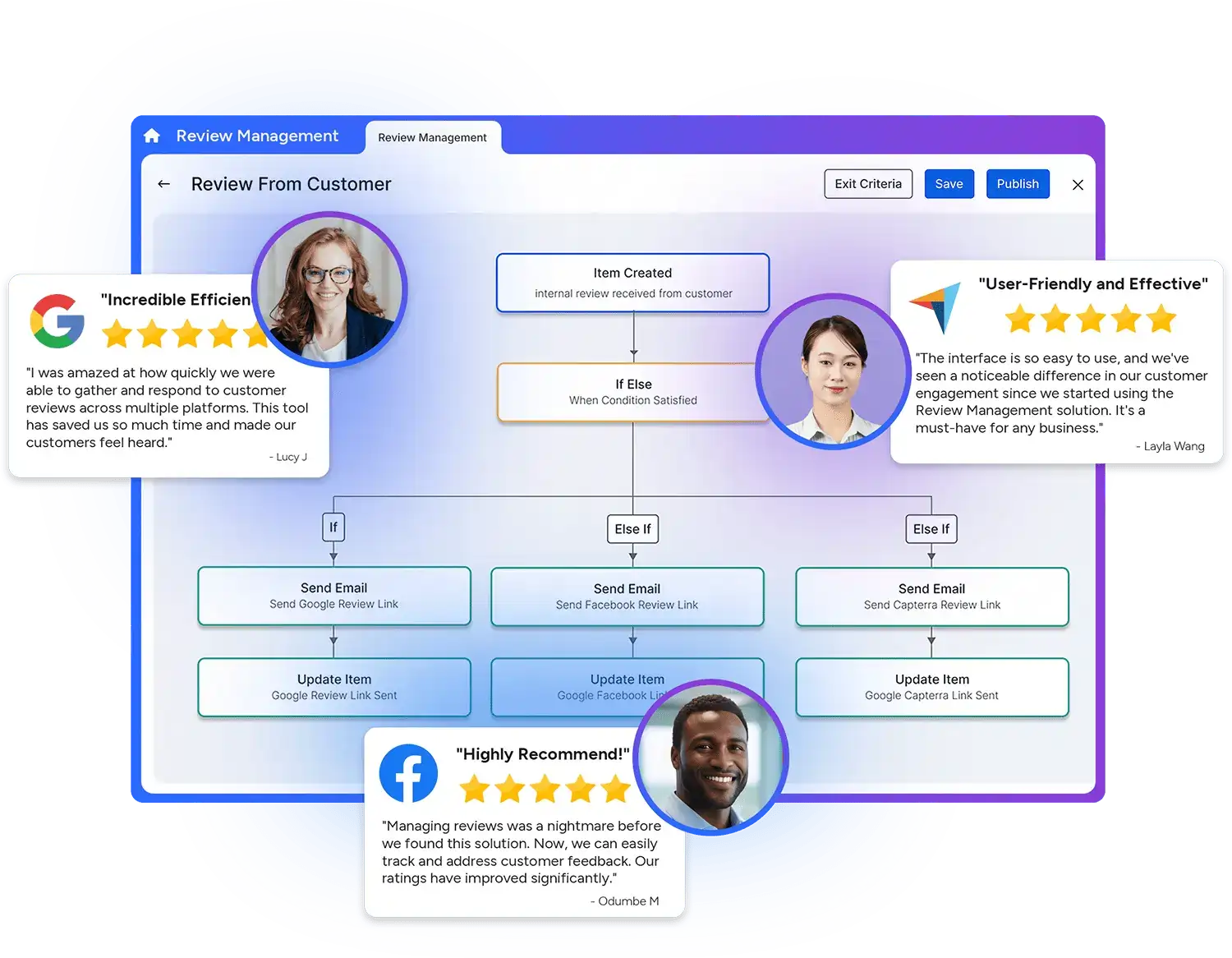
In today’s fast-paced business environment, ensuring that your CRM software integrates smoothly with existing feedback tools is crucial for maintaining a competitive edge. Seamless integration not only enhances the customer experience but also streamlines internal processes.
Successfully integrating CRM software with feedback tools involves understanding compatibility issues and finding effective solutions. Let’s dive deeper into how integration enhances functionality and some examples of CRM systems that excel in this area.
Seamless Integration with Existing Feedback Tools
For businesses looking to leverage customer insights, the ability to integrate CRM software with existing feedback tools is non-negotiable. This integration allows for real-time data synchronization, ensuring that customer feedback is immediately reflected within the CRM system. By doing so, businesses can act swiftly on customer insights, improving satisfaction and loyalty.
Furthermore, many CRM software options offer API support, making it easier to connect with third-party feedback tools like SurveyMonkey or Qualtrics. This not only enhances data accuracy but also reduces the risk of data silos.
Addressing Compatibility Challenges
Compatibility can often be a hurdle when integrating CRM systems with feedback mechanisms. Issues such as data format discrepancies, API limitations, and security concerns are commonplace. To overcome these obstacles, it’s vital to choose CRM software that offers customizable integration options and robust support.
Utilizing middleware solutions or integration platforms like Zapier or MuleSoft can ease compatibility issues by providing a bridge between disparate systems. These platforms often come with pre-built connectors, simplifying the integration process and ensuring smooth data flow.
Examples of CRM Software with Superior Integration
Several CRM platforms stand out for their ability to integrate seamlessly with third-party feedback tools:
- Salesforce: Known for its extensive AppExchange marketplace, Salesforce provides countless integration options with popular feedback tools, offering a highly customizable solution.
- HubSpot: Offers native integration capabilities that facilitate direct connections with feedback platforms, ensuring quick and effortless data syncing.
- Zoho CRM: Provides a well-rounded suite of tools that support integration through Zoho Marketplace, ensuring that feedback data is readily accessible and actionable.
These platforms exemplify how effective integration can enhance CRM functionality, making them ideal choices for businesses seeking to optimize their customer feedback processes.
Enhancing Customer Experience

In today’s competitive market, customer experience is a critical differentiator. By leveraging the feedback features of CRM software, businesses can transform insights into actionable strategies to delight customers.
Understanding and addressing customer needs can significantly enhance satisfaction and loyalty. Let’s explore how CRM feedback features can be harnessed to elevate the customer experience.
Strategies to Use CRM Feedback for Customer Experience
Implementing effective strategies using CRM feedback can transform your business’s customer interactions. Here’s how you can do it:
- Personalize Communication: Use feedback to tailor messages and offers to individual preferences.
- Proactive Problem Solving: Identify common issues and address them before they escalate.
- Continuous Improvement: Regularly update services based on feedback to meet evolving customer expectations.
- Empower Customer Service Teams: Equip teams with insights to deliver exceptional support.
Utilizing Feedback Data to Improve Services
Collecting feedback is just the beginning; the magic lies in its application. Here’s how you can leverage feedback data:
- Analyze Trends: Identify patterns and trends to focus on areas needing improvement.
- Customer Segmentation: Categorize feedback to understand different customer segments and their unique needs.
- Track Performance Metrics: Use data to measure service improvements and align with customer expectations.
- Innovate Offerings: Leverage customer insights to develop new products or services that fulfill unmet needs.
Feedback-Driven CRM for Customer Satisfaction
A CRM system that effectively uses customer feedback can transform customer satisfaction levels. Here’s why:
“By listening to your customers, you not only meet their needs but also gain their trust and loyalty.”
Feedback-driven CRM encourages a customer-centric approach that fosters satisfaction and retention:
| Aspect | Impact on Customer Satisfaction |
|---|---|
| Responsive Service | Quickly addresses issues, enhancing trust. |
| Enhanced Offerings | Aligns products/services with customer expectations. |
| Customer Empowerment | Gives customers a voice, leading to a sense of value and importance. |
Case Studies and Success Stories
Exploring the realm of CRM software integrated with customer feedback can be as exhilarating as watching a master sculptor bring a block of marble to life. These powerful tools are not just digital assistants; they’re transformative agents in enhancing business outcomes.
Let’s delve into some enlightening case studies that showcase how companies have turned customer feedback into concrete business advantages using CRM software.
Revolutionizing Retail with CRM Feedback Integration
Retail giants are always hunting for that extra edge to captivate customers. One such retail company, RetailMagix, embraced CRM feedback integration with astounding results. By actively collecting and analyzing customer feedback, they identified key areas for improvement in their product line and customer service approach. In six months, they witnessed a 20% increase in customer satisfaction scores and a 15% rise in sales.
Elevating Customer Support in Tech Industries
Tech companies thrive in dynamic environments where customer support can be a make-or-break factor. TechSolutions Inc. harnessed CRM feedback systems to fine-tune their support services. The result? A remarkable reduction in ticket resolution time by 40%, leading to happier clients and enhanced loyalty.
Transforming Healthcare with Insightful Feedback
The healthcare sector is increasingly adopting technology to meet patient expectations. HealthPro Ltd. utilized their CRM feedback tools to gather patient insights that revealed a demand for extended clinic hours. Responding to this feedback, they adjusted schedules, improving patient visits by 25% within a year.
“The CRM feedback system has revolutionized our approach to customer satisfaction. We’ve not only improved our service but also deepened our connection with our clientele.” — A Satisfied Client from RetailMagix
Future Trends in CRM Software with Feedback Capabilities

As the digital age continues to evolve, CRM software is rapidly advancing, particularly in the area of customer feedback capabilities. The integration of innovative technologies is paving the way for more dynamic and responsive CRM systems.
These advancements not only enhance the way businesses collect feedback but also how they analyze and respond to it, ultimately transforming customer experiences.
Emergence of Artificial Intelligence and Machine Learning
With the rise of artificial intelligence (AI) and machine learning (ML), CRM software is becoming more adept at understanding and predicting customer needs. AI-driven analytics allow for real-time processing of feedback, providing actionable insights that empower businesses to make informed decisions promptly.
Integration of Advanced Chatbots for Instant Feedback
The use of advanced chatbots is becoming a staple feature in CRM systems. These chatbots not only facilitate immediate customer interaction but also gather valuable feedback efficiently. By leveraging natural language processing (NLP), chatbots can engage in more meaningful conversations, thus enhancing the quality of feedback collected.
Utilization of Predictive Analytics
Predictive analytics is another burgeoning trend in CRM software. By analyzing historical data and feedback, CRM systems can forecast trends and customer behaviors, enabling businesses to anticipate needs and tailor their services accordingly. This proactive approach leads to increased customer satisfaction and loyalty.
Table of Future Trends in CRM Software
The following table highlights some of the key future trends, their potential impacts, and the expected outcomes in the realm of CRM software:
| Future Trend | Potential Impact | Expected Outcome |
|---|---|---|
| AI and ML Integration | Enhanced data processing and customer insights | More personalized customer interactions |
| Advanced Chatbots | Improved real-time feedback collection | Increased efficiency in handling customer queries |
| Predictive Analytics | Proactive customer service and trend prediction | Higher customer satisfaction and retention |
| Enhanced Mobile Capabilities | Greater accessibility and convenience | Broader reach and engagement with customers |
“The future of CRM lies in its ability to harness technology for deeper customer understanding and tailored experiences.”
Conclusion
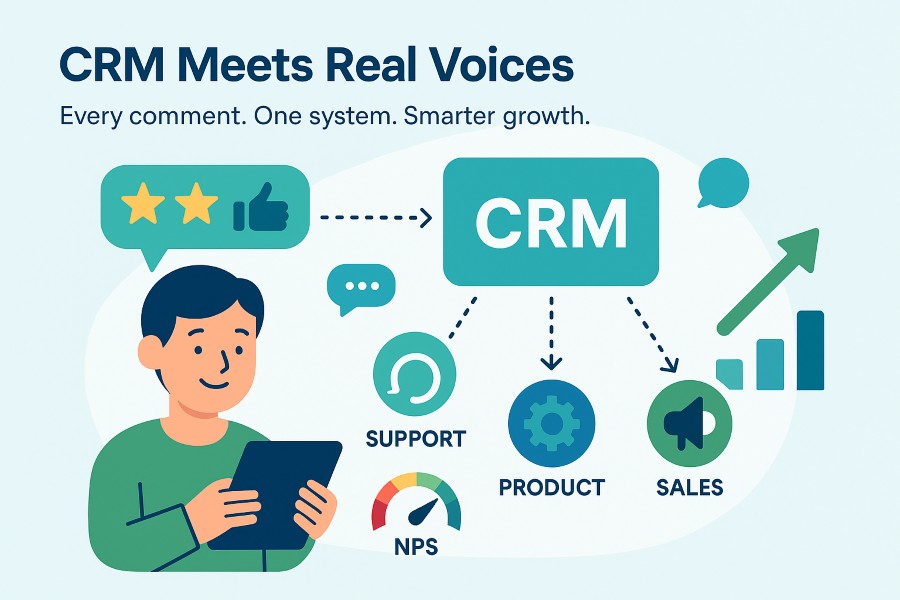
In the rapidly evolving digital age, staying ahead of the curve is crucial. CRM software that supports customer feedback is not just a tool; it’s a game-changer. By harnessing the power of real-time insights, businesses can adapt, innovate, and thrive. Don’t just keep up with the competition—surpass them by integrating a feedback-driven CRM system into your strategy today. The future of customer engagement is here, and it’s waiting for you to take the lead.